Watch the Free Masterclass
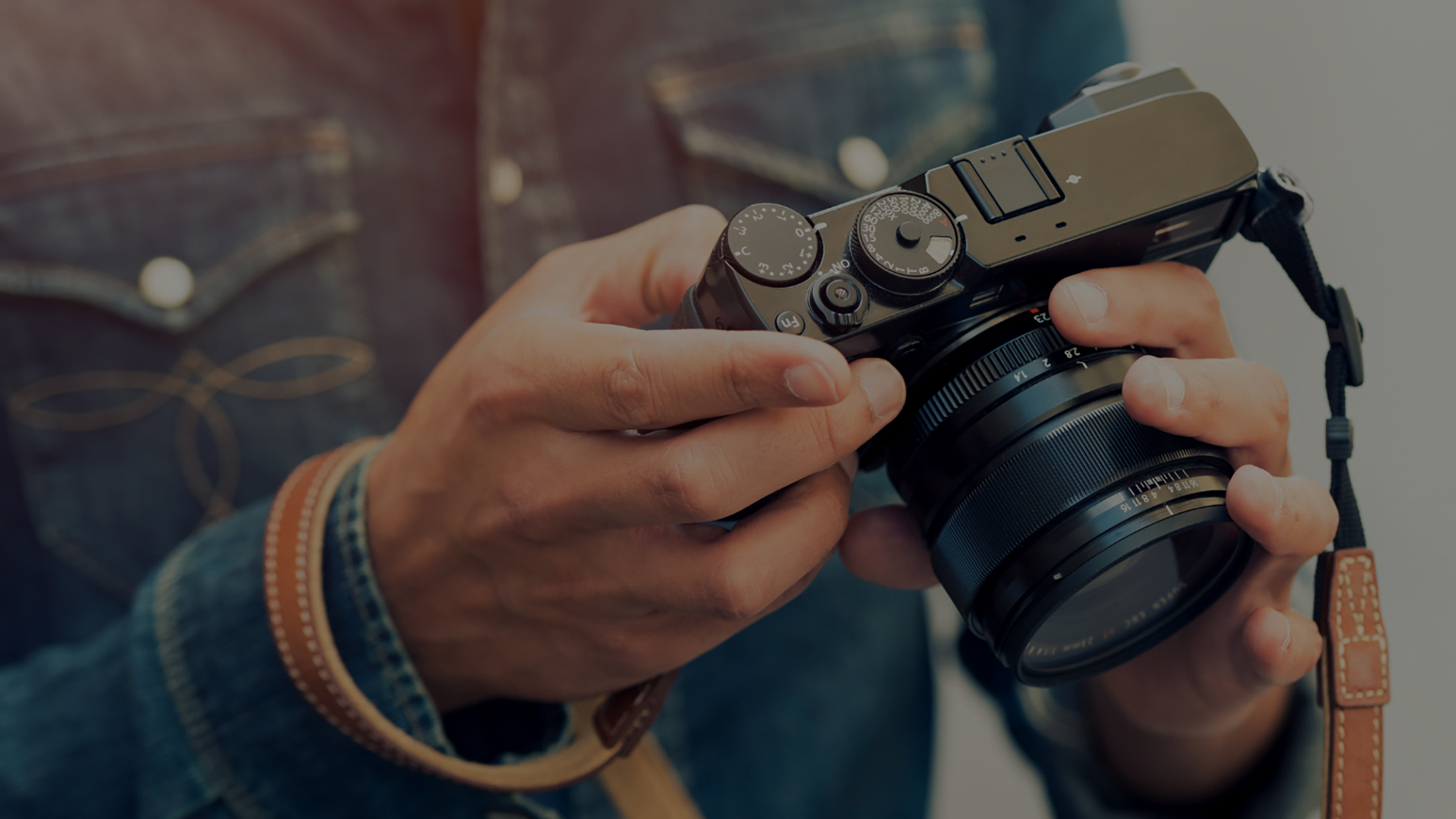
Hands holding a camera, adjusting the lens

Photography, before art photography

Photography Essentials

Everything the camera can do, taught so it becomes second nature. Six weeks of the mechanics of exposure, light and composition, so the camera stops being the thing in your way.

Essentials $290, and on promotion you pay what you can afford · Advanced $600, six weeks, or continue at your own pace · roughly eight weeks if you do both

Two courses, one foundation

The two camera craft courses

Two courses, deliberately separated. If you already understand the basics you do not have to go back and start again. And if you are starting fresh, Essentials is the foundation that leads straight on into the Advanced course.

Step one

Photography Essentials

$290

On promotion, you pay what you can afford
Running now. It will not run forever.

Understanding the photographic system. The stop and the f-stop, the exposure triangle, ISO, aperture, shutter and the light meter, with practical exercises. Nineteen lessons across seven modules, at whatever pace suits you.

For anybody who does not yet understand the basics, is not comfortable working in full manual, or wants a refresh of the fundamentals.

See what is covered

Step two

Advanced Photography

$600

Six weeks, or continue at your own pace

A step up from the fundamentals into advanced photography, taking you a good deal further. Contrast and movement control, composition, visual communication, the psychology of colour, depth of field and a great deal more. A practical application after every single lesson, posted to your class group for feedback.

For anybody who can already work in full manual, understands their camera, and wants to take their photography to an advanced level.

See the six weeks

Six weeks for Advanced on its own, or roughly eight weeks if you do both. In most cases people find real value in doing both. Quite a few start Advanced and realise partway through that the foundation would have made it easier, which is exactly why the two exist separately.

Where this course came from

These courses did not come out of a content calendar. They came out of a lecture room.

They are not regurgitated lessons repackaged. They are tried and tested. Most photography courses online were written for the internet. This one was written for a college, taught to full time students who were becoming professionals, and rebuilt for every era it has been taught in since.

1993
Martin founds the National College of Photography and writes this course. It runs as a night school programme, and alongside it a year and a half full time programme for people intending to become professional photographers. On film, with no safety net.
2006
The college is acquired by AdvTech under Vega School of Branding. The course is rewritten for the new programme. Graduates go on to work commercially across South Africa, and students travel from abroad to attend.
2011
Martin rewrites the course again, now fully digital, and teaches it from his studio in Hout Bay, Cape Town.
Since
Onto Zoom, and now completely online, adapted for DSLR and mirrorless cameras. Thousands of photographers have been through this material in one form or another. It is taught elsewhere by other people working from the modules. Here you do it with the person who wrote it.
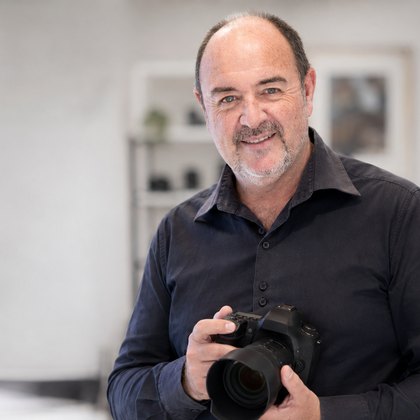
Martin Osner with a camera in his studio
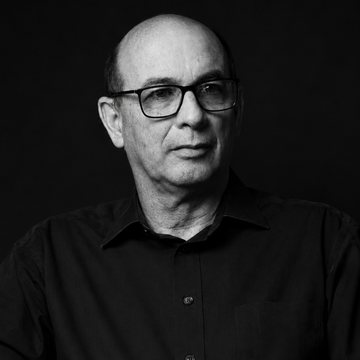
Martin OsnerCommercial photographer, and the man who wrote this course

Why it is taught this way

Thirty years of being paid only if the client was happy

While he was teaching, Martin ran a working commercial studio. Portrait, fashion, still life and advertising, including jewellery and coffee, which are two of the hardest subjects there are. One of them fought in the studio, the other in natural light, and neither of them forgiving. On film, with no Photoshop and no focus stacking and certainly no AI. If the client was not happy with what they received, they did not pay.

That is why this teaching is practical rather than theoretical. Every technique in it had to work first time, under pressure, for money. The colour of the light and the depth of field had to be decided before the shutter opened, because there was no fixing it afterwards.

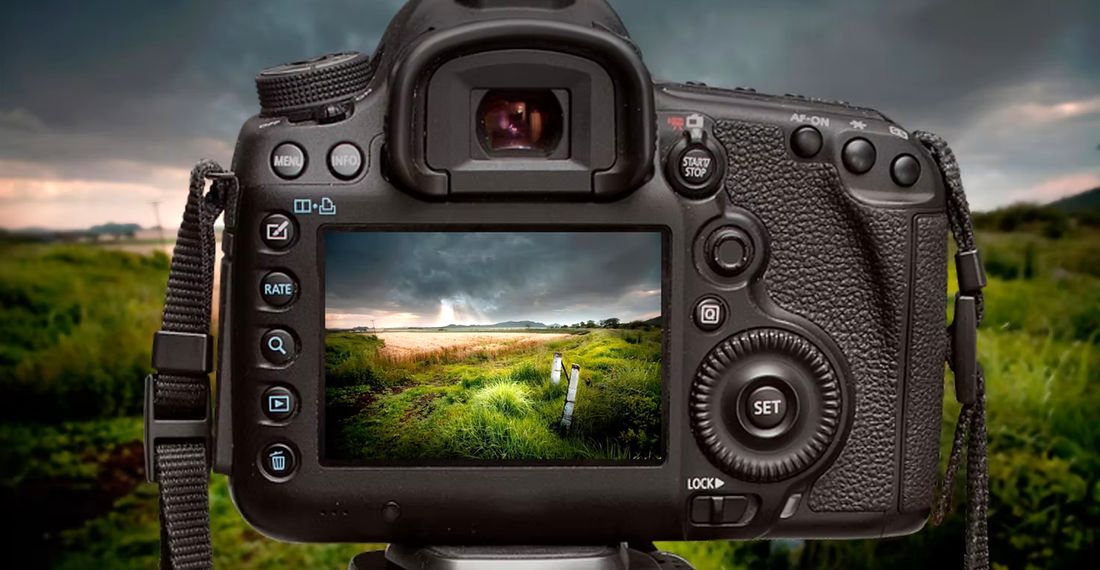
A camera on a tripod in the field, the landscape showing on the screen on the back
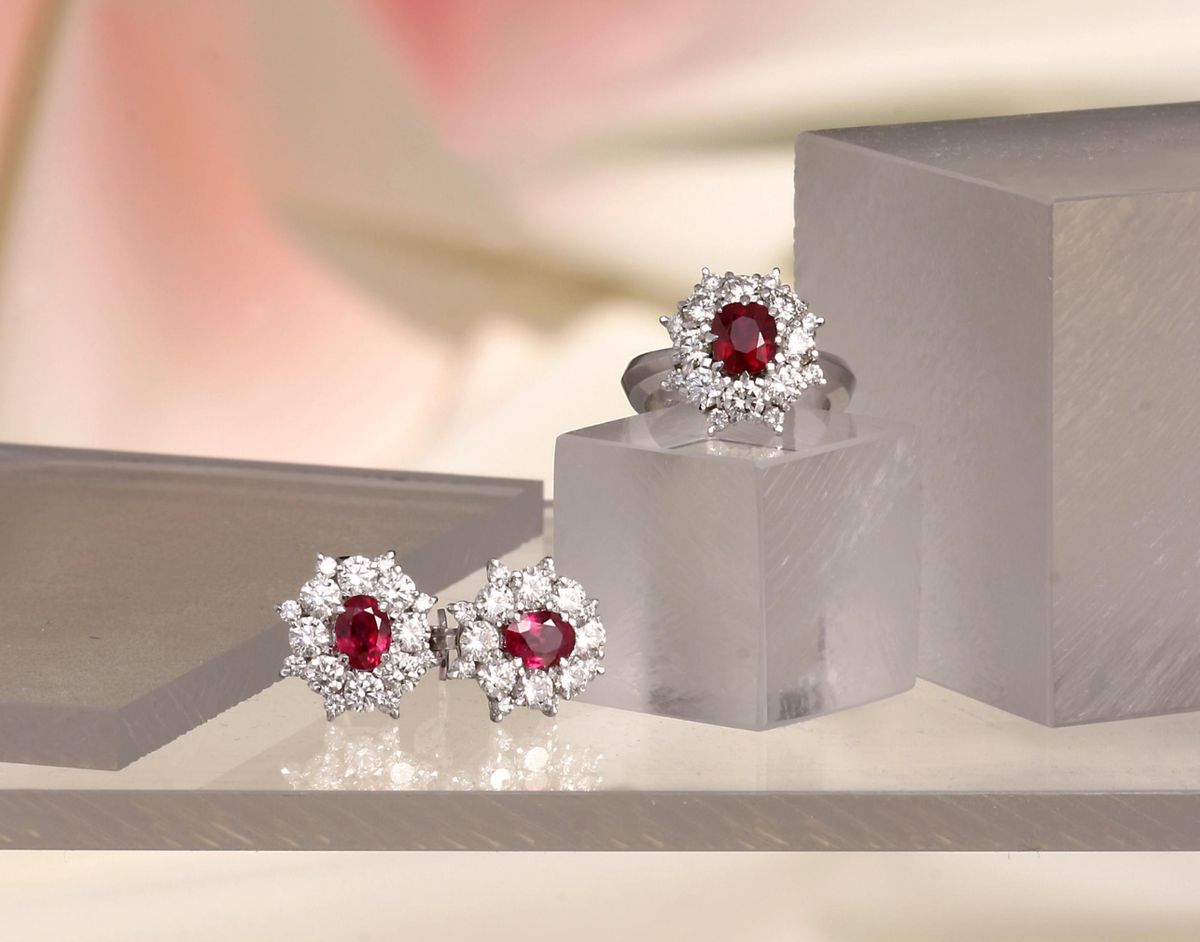
On film, with no focus stacking and no compositing. The depth of field and the colour of the light had to be decided before the shutter opened.
Jewellery advertisingOn film, with no focus stacking and no compositing. The depth of field and the colour of the light had to be decided before the shutter opened.
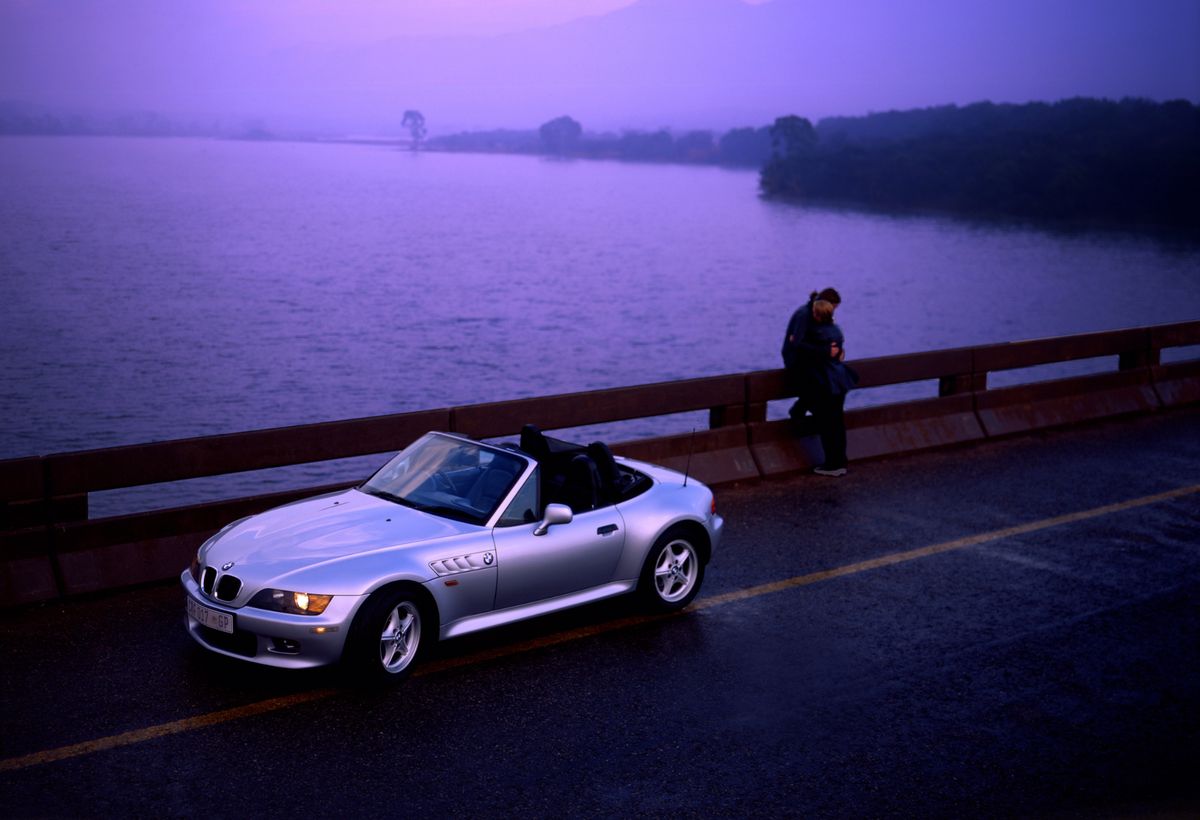
Last light, a wet road, and a car that still has to read as silver. Colour temperature judged at the moment of capture rather than corrected afterwards.
BMW Z3 commercialLast light, a wet road, and a car that still has to read as silver. Colour temperature judged at the moment of capture rather than corrected afterwards.
A pour caught in a fraction of a second, lit so that liquid reads as liquid. One frame, one chance, and a client waiting.
Cocktail campaignA pour caught in a fraction of a second, lit so that liquid reads as liquid. One frame, one chance, and a client waiting.
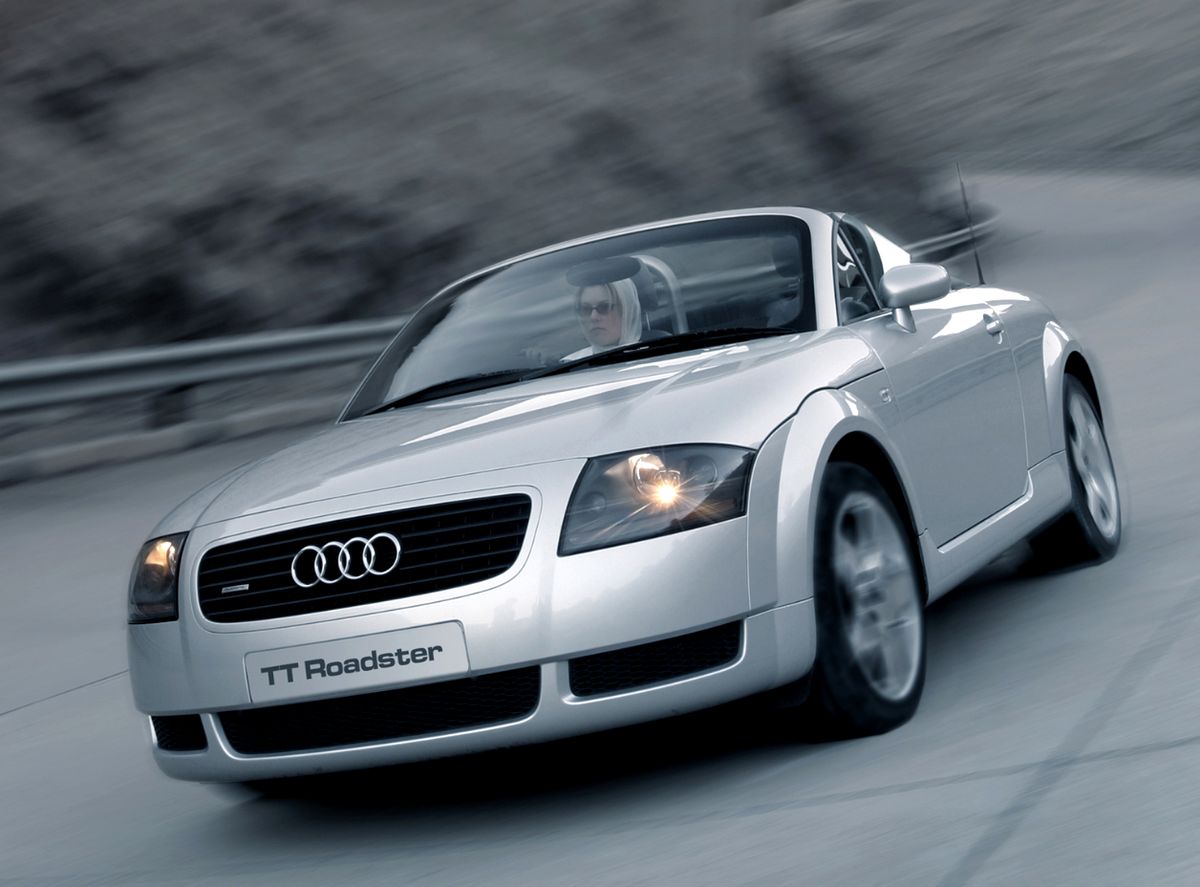
Sharp subject, dissolved background, done in camera. The tracking and panning lessons in week four are this technique.
Audi TT Roadster campaignSharp subject, dissolved background, done in camera. The tracking and panning lessons in week four are this technique.
A dark bottle on a dark ground. Almost all of the work here is in the shape of the light and the control of contrast.
Delheim advertising campaignA dark bottle on a dark ground. Almost all of the work here is in the shape of the light and the control of contrast.
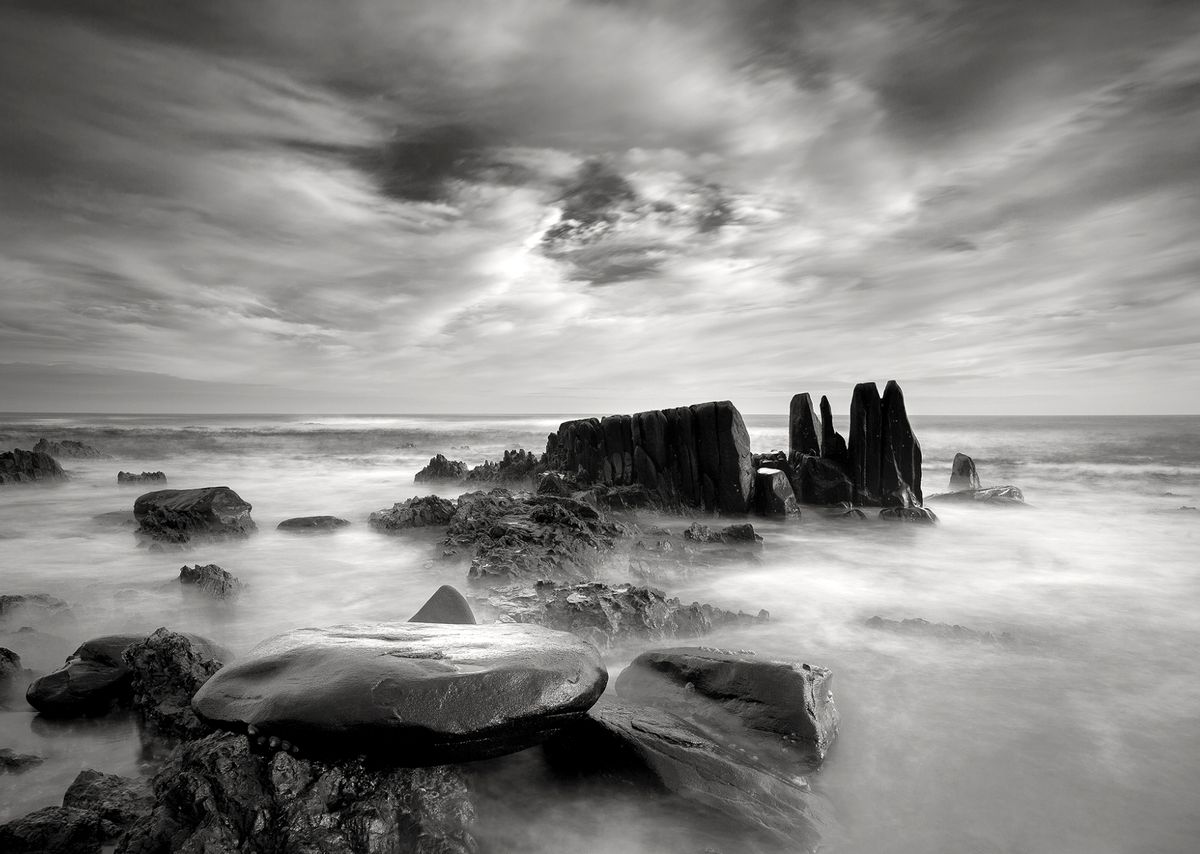
A long exposure in monochrome. Contrast managed at the moment of exposure rather than pulled back later, which is the lesson almost nobody teaches.
Castle RockA long exposure in monochrome. Contrast managed at the moment of exposure rather than pulled back later, which is the lesson almost nobody teaches.

Step one

Photography Essentials

Understanding the basics of photography, for a solid foundation. This is not about how your camera works. It is about how the photographic system works, and applying your camera accordingly. It starts at the fundamentals and takes you to an intermediate level of understanding.

What is covered

Module 1Introduction, understanding the photographic system+

What the photographic system actually is, and why so many capable photographers have never been shown it. Two lessons.

Module 2The photographic system+

The three functional camera controls, the stop and the f-stop, the exposure triangle, and setting your camera up properly. Four lessons.

Module 3ISO+

An in depth look, in two parts. Not what the number means, but what it costs you and when to spend it.

Module 4The aperture+

Two lessons and a practical exercise. Aperture is where depth begins, and depth is where photographs start to look deliberate.

Module 5The shutter+

Three lessons and a practical exercise. Movement, stillness, and the decisions you make in the fraction of a second.

Module 6The light meter+

Two lessons on exposure value. The instrument almost everybody owns and almost nobody reads properly.

Module 7Your journey ahead+

Where this takes you next, and what the Advanced course adds once the foundation is in place.

$290

and you pay what you can afford

  • Nineteen lessons across seven modules, yours in your library for good
  • Practical exercises for aperture and shutter, so you are using the camera and not just watching
  • One month in the Inspire Community included, so you are not doing it alone
  • No fixed length. Work through it in a weekend or take a month over it
  • A DSLR or mirrorless camera with a full manual function is recommended
Let me start, and pay what I can

The $290 is what the course is worth. While the promotion is running you pay what you can afford. Nobody is turned away over money, and nobody is asked to explain themselves.

A student who was already good

“I no longer am a gunslinger shooting from the hip”

Mike Evans had been photographing for six or seven years before he took the Advanced course. Portraits, sport, some landscape. He was not a beginner looking for the basics, which is exactly why what he says is worth reading.

“I would do a shoot, go out, maybe take two hundred images, and keep one or two. Now I shoot maybe ten or twenty, and I will keep most of those.”

Mike Evans
Mike EvansSix or seven years behind a camera before he took the Advanced course

“I have taken fewer images, but the images I am taking are better than the ones I would have taken a year ago. I like being selective. It is a big change for me. A big, big change.”

“His critiques are always well intentioned, but they make you work a little bit. You work harder to produce a better result.”

Mike Evans talking about Martin Osner's Advanced Photography course Watch the full interview
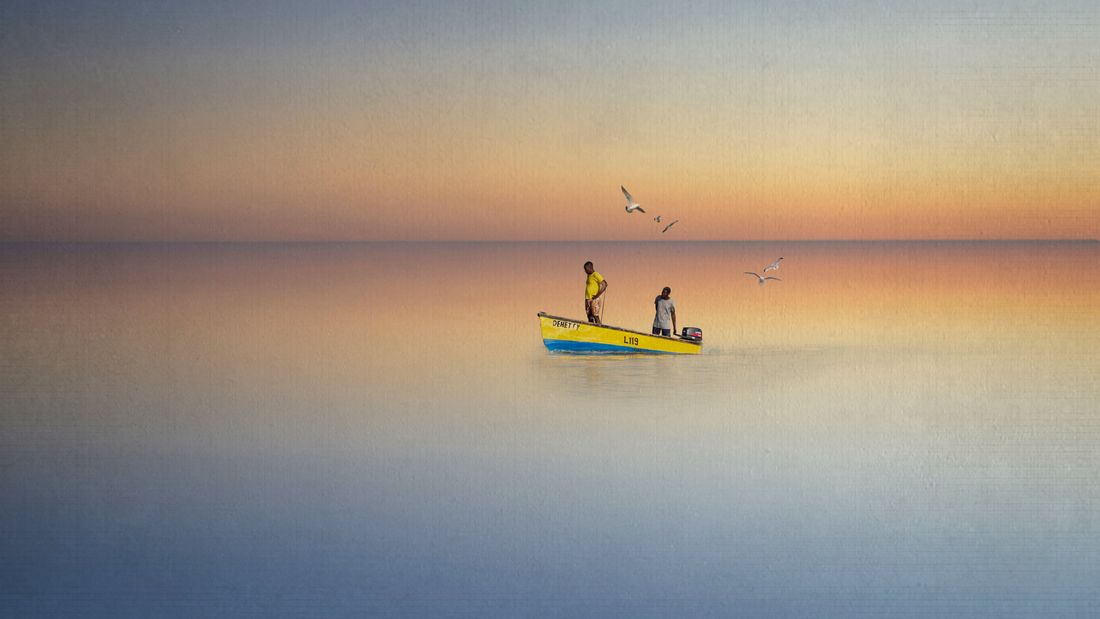
Two figures, a boat, and almost nothing else. Week five, the art of simplicity.
SimplicityTwo figures, a boat, and almost nothing else. Week five, the art of simplicity.
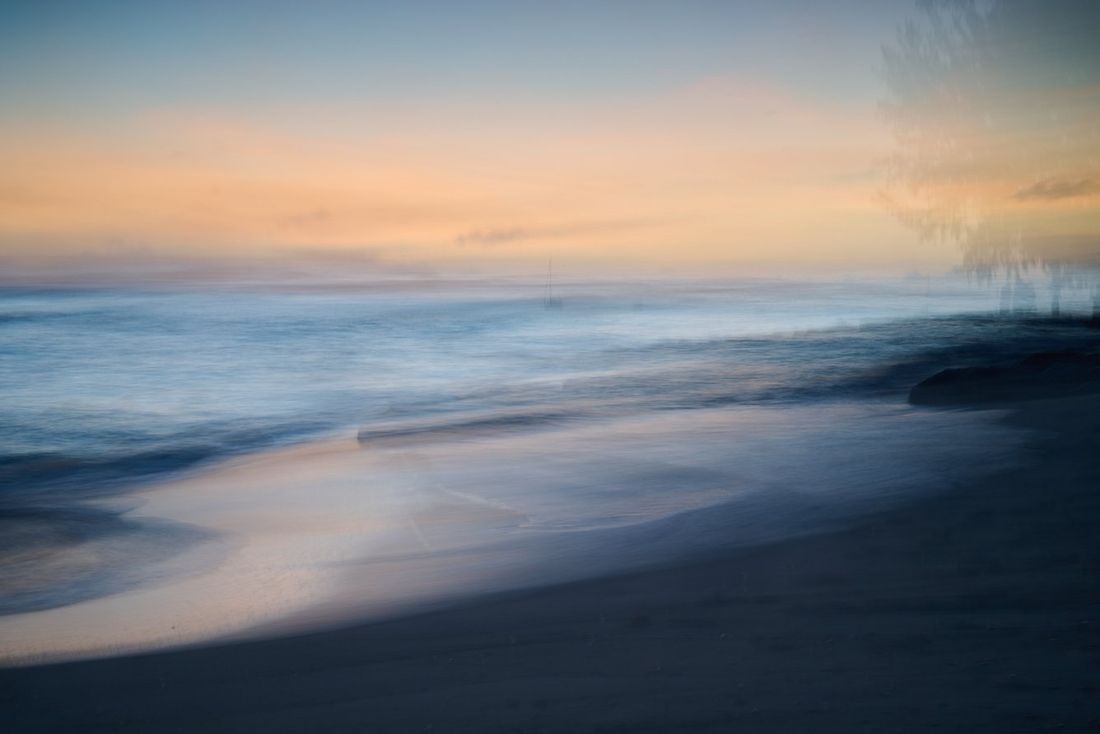
A long exposure on the shore. Week four, the expression of movement.
ExpressionA long exposure on the shore. Week four, the expression of movement.
Movement frozen at the moment it matters. Week four, freezing motion.
ImpactMovement frozen at the moment it matters. Week four, freezing motion.

These are not pictures Mike made afterwards. They are his own project pictures, taken during the course as he was learning each technique. Simplicity, expression and impact, in three frames.

On what changed

“I like his phrase visual chaos. Sometimes visual chaos is good, but I do like the idea of simplicity over visual chaos. So I am more conscious of what I am doing. Even my portraits, I am trying to find depth in them all the time.”

On taking his time

“I thought I would rush through it, but there are a lot of little things in how Martin explains things, the little nuances. So I never rushed it. I did a lot of experimentation. If you try to do everything at once you get information overload and you miss things.”

What people do next

A good many people arrive for the mechanics and leave wanting to make art

It happens often enough that it is worth saying out loud. Somewhere around the composition and visual communication weeks, people start gravitating towards the art of photography. And because they now have a genuinely solid technical foundation, they tend to go a long way with it.

If that turns out to be you, Getting Started in Art Photography is where that path begins.

Common questions

Before you ask

Which one do I need?+

If you are not completely comfortable working in full manual, start with Essentials. If you already are, go straight to Advanced. Most people find they get more out of doing both, and quite a few start Advanced and realise partway through that the foundation would have helped. That is exactly why the two are separated, so nobody has to pay for groundwork they do not need, and nobody has to go without it.

What camera do I need?+

Any camera with a full manual function, which is very nearly every DSLR and mirrorless camera sold today. This is not a course about learning your particular camera. It is about the mechanics of photography and applying your camera to them.

How long does it take?+

Advanced runs week by week over six weeks. Essentials has no fixed length of its own, nineteen lessons across seven modules, so if you do both expect roughly eight weeks in total. After that you carry on at whatever pace suits you, and both courses stay in your library for good.

Do I get any feedback?+

On Advanced, yes. Every lesson has a practical application, you post the result in the class group, and Martin, Samantha and the creative advisors respond. That feedback is the part people say changed the most for them.

Is this not all on YouTube already?+

Some of the individual ideas are. What is not on YouTube is the order, the practical application after each lesson, and thirty years of watching where people actually get stuck. This course came out of a lecture room, not out of a content calendar.

Do I need Photoshop?+

No. The developing lessons use Adobe Bridge and Camera Raw, and Camera Raw comes with the Photoshop subscription, but the course does not depend on Photoshop editing.

Still deciding?

Fifteen minutes with Martin, on Zoom

A booked fifteen minute consultation on Zoom, and nothing longer. If you are serious, and you are weighing up where to start, or whether any of his courses are for you, that is worth a quarter of an hour of his time, and he is glad to give it. This is only for those who are genuinely interested. Martin comes to this conversation with no agenda of his own — no sales script and no obligation — just his honest opinion on how he can help, and some direction to point you into the world of fine art photography.

Book your fifteen minutes