Watch the Free Masterclass
Martin Osner

Martin Osner

“Life is my canvas. I often felt like a painter trapped in a photographer’s body.”

Thirty five years of teaching. A college founded, built and sold. Thirty years of commercial work. A gallery in Cape Town. And every technique the Academy teaches.

Where it started

It began by accident, on a winter's day in 1984

He did not choose photography so much as collide with it. Everything since, the studio, the college, the commercial years, the gallery and the Academy, came out of that one encounter.

What follows is the short version. It is not a straight line, and the part that matters most to anybody reading this happened because he lost everything first.

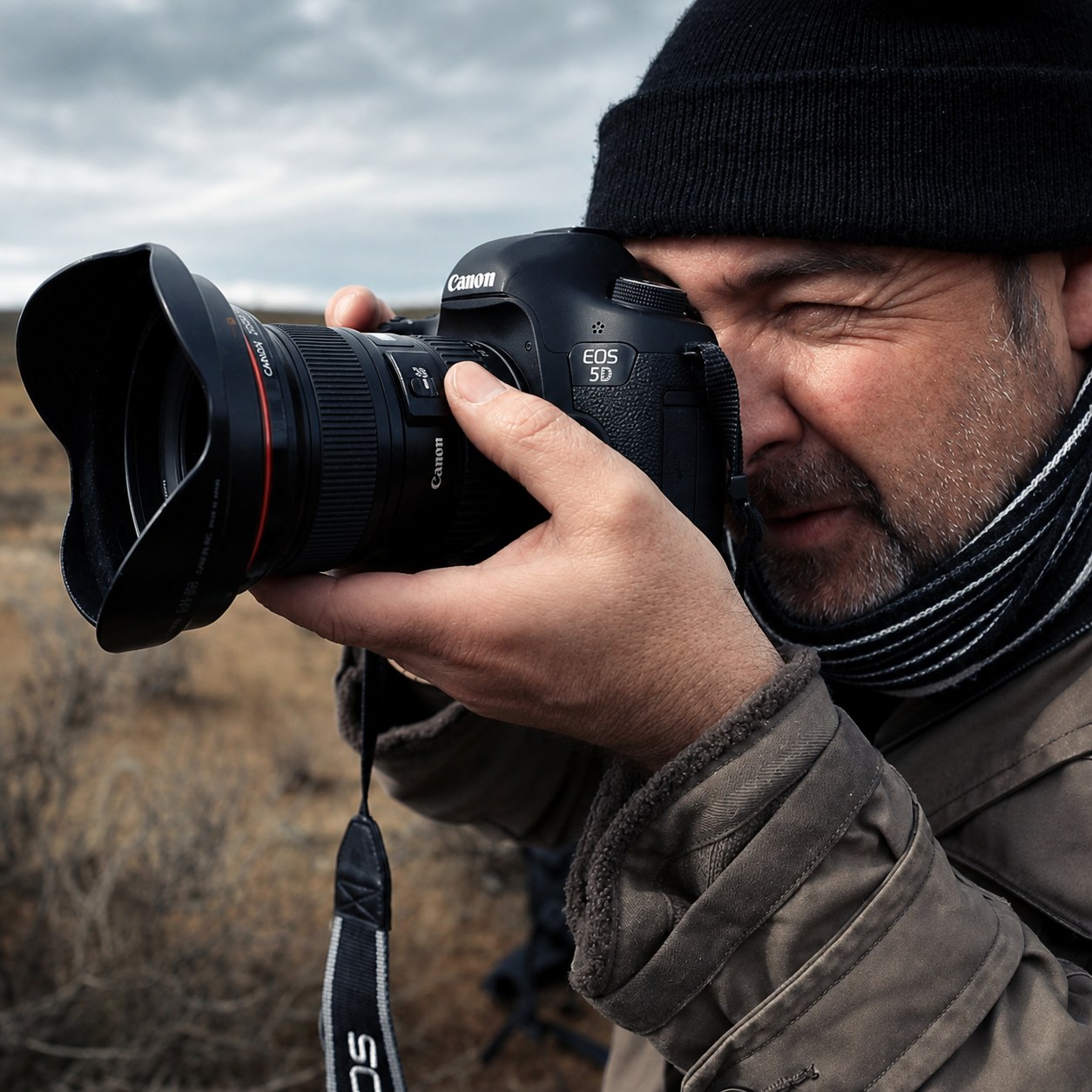
Martin Osner photographing in the field with a Canon EOS 5D
Photographed while he was working on Abandoned, the thirteen year project he began in 2002.

The route he actually took

At a glance

1963
Born in Johannesburg.
1985
Opens his first photographic studio in Johannesburg, in a room his father helped him set up. People, weddings and commercial products.
Late 1980s
Moves the entire business to Pretoria, because of a church he wanted to attend. To establish himself he goes into photographic retail and wholesale.
1992
He and his business partner Bob Reid are caught in a high level business scam and lose the whole business. He had been praying to be moved out of retail and back into making things. It felt at the time like the end of everything.
1993
Teaching night schools to put bread on the table. It grows so fast that students begin asking for full time study, and he and Bob Reid found the National College of Photography in Pretoria.
Mid 1990s
The college outgrows its premises and moves to a full campus. Around forty full time professional students at a time, and four to five hundred high school students a year. Martin writes the course himself.
1994
Resurrects his commercial photography business, Studio Seven, and runs it alongside the college until the sale.
The turning point
He builds a six month fine art module into the college programme, because the photographers it is producing are technically excellent and artistically invisible. Building it takes years in darkrooms and studios, inventing and testing techniques that existed as a curriculum nowhere. Those experiments are the direct ancestors of every course the Academy teaches.
2002
Begins Abandoned, the body of work that will take him thirteen years and end at forty photographs. He is still running the college and the commercial studio while he makes it.
2003
The commercial work begins to wane as his name grows as a fine art photographer. He starts exhibiting and finding his way into the gallery world.
2007
The sale of the National College of Photography to AdvTech finally concludes, after close to two years. It becomes the premier photographic training institution in southern Africa, today under the Vega brand.
2008
Contracted to stay on and oversee the teaching syllabus, he lasts about a year. He walks into a lecture where studio lighting is being taught out of a textbook by somebody who has never used a camera professionally, and he resigns, giving up the contract and the money with it.
2010
Leaves Pretoria for Cape Town and opens his first gallery. It still trades today as the Osner Gallery.
2012
Canon Europe commissions him to present an international brand video, Power to your next step, packaged with new Canon DSLRs as instructional media. He serves as a Canon Ambassador for seven years.
2013
A restraint of trade from the sale finally lifts and he begins teaching again, from the studio at his home in Hout Bay, while the gallery trades in the Cape Quarter in Green Point. This is the year Samantha wanders into one of his lectures, and the year Andrea and Ralf Armbrüster find him.
2018
Opens the Osner Private Collection in Hout Bay with his daughter Samantha, where they exhibit as a father and daughter collaboration.
2023
Co-founds the Art Photography Academy with Ralf Armbrüster.
1992

The year he lost everything

He and his partner were set up in a business scam and the whole thing went, wholesale and retail together. He felt he had lost his entire life.

He had also, for some time, been praying to be moved. He had drifted into standing behind a counter selling cameras instead of making things, and he wanted to be creating again.

The word he was given in church afterwards was that he had been pruned. A tree has to be cut back in order to bear much fruit. Within a year he was teaching night classes, and within three he was running a college.

He does not treat that year as bad luck. He treats it as the thing that put him where he was supposed to be, and he says so plainly when anybody asks.

Recognition, briefly, and then we will move on

The bits that are checkable

Awards prove talent. They do not prove he can get it out of you, which is why they sit here in one paragraph rather than filling the page.

Canon

Seven years as a Canon Ambassador

In 2012 Canon Europe commissioned him to present an international brand video, packaged with new Canon DSLRs as instructional media.

Awards

Five golds, and twenty three more

Twenty eight Fujifilm Southern Africa Photographic Awards across scenic, fine art, documentary, portraiture, architecture, industrial and automotive.

Exhibitions

From Johannesburg to London

His first show was at the Gordart Gallery in Johannesburg and his second at the Sally Thompson Gallery, also in Johannesburg. Then Stephanie Hoppen in London, Gallery Gora and Creative Boost in Montreal, Everard Read in Cape Town, and his own permanent spaces since 2010.

He was also voted best contemporary international artist for 2008 and 2009 by Arteque, Masters of Today.

His own work

What he actually makes

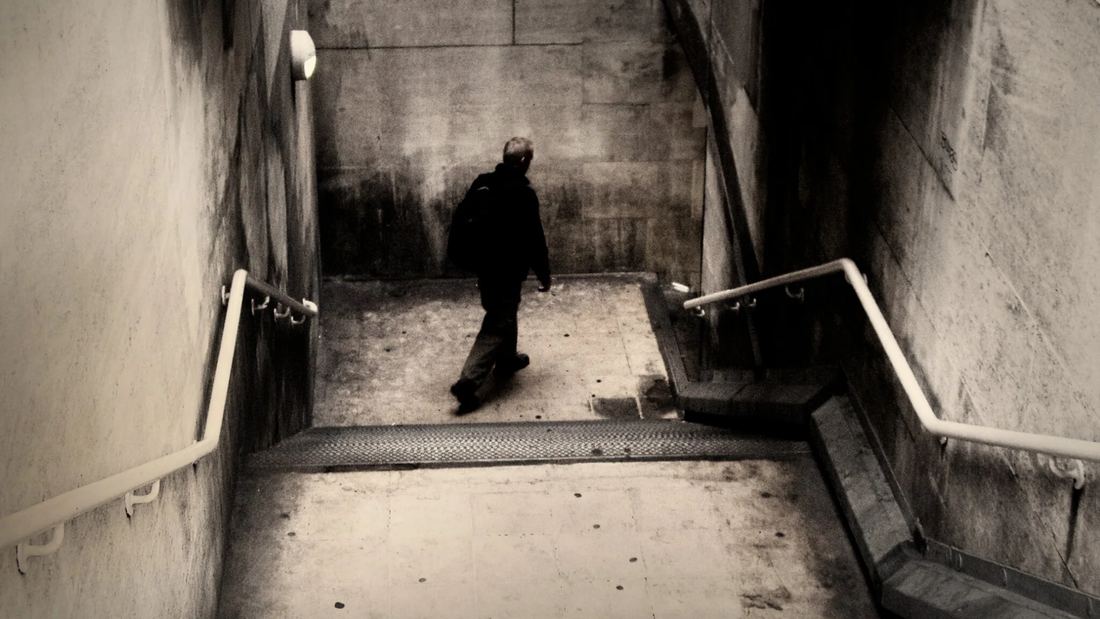
Ghostly abstracts, moody landscapes, social documentary and mixed media prints, in limited edition giclée and traditional black and white, for a collector's market.

Medieval City, by Martin Osner
Medieval City
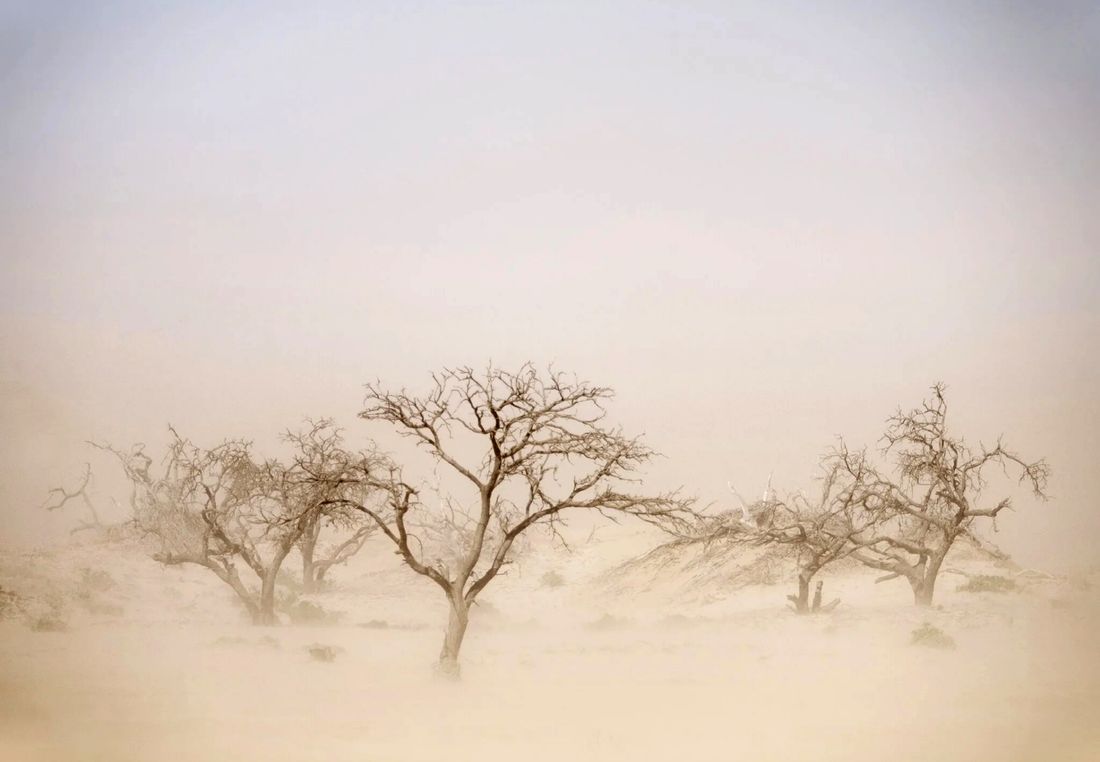
Abandoned, by Martin Osner
Abandoned
Be Still, by Martin Osner
Be Still
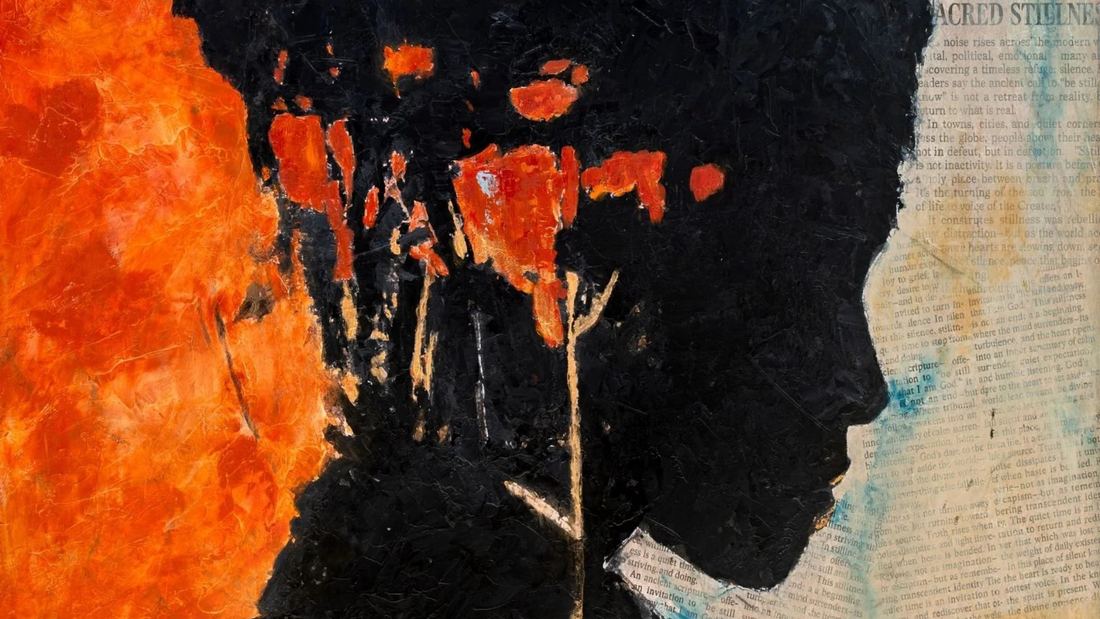
Arcane, by Martin Osner
Arcane
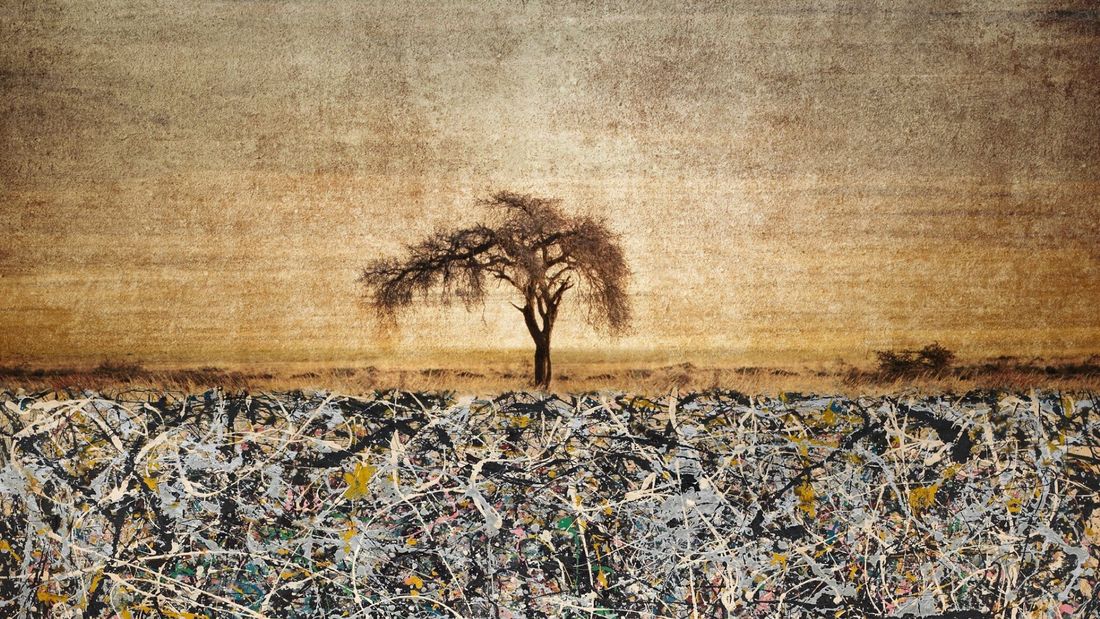
Solitary, by Martin Osner
Solitary
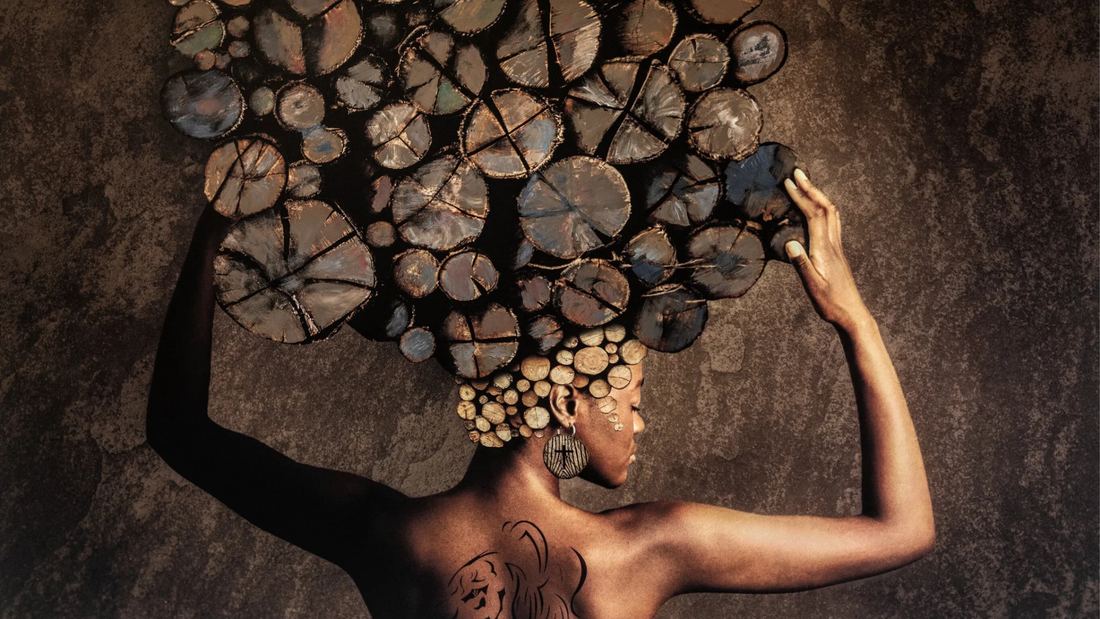
Adorn, by Martin Osner
Adorn

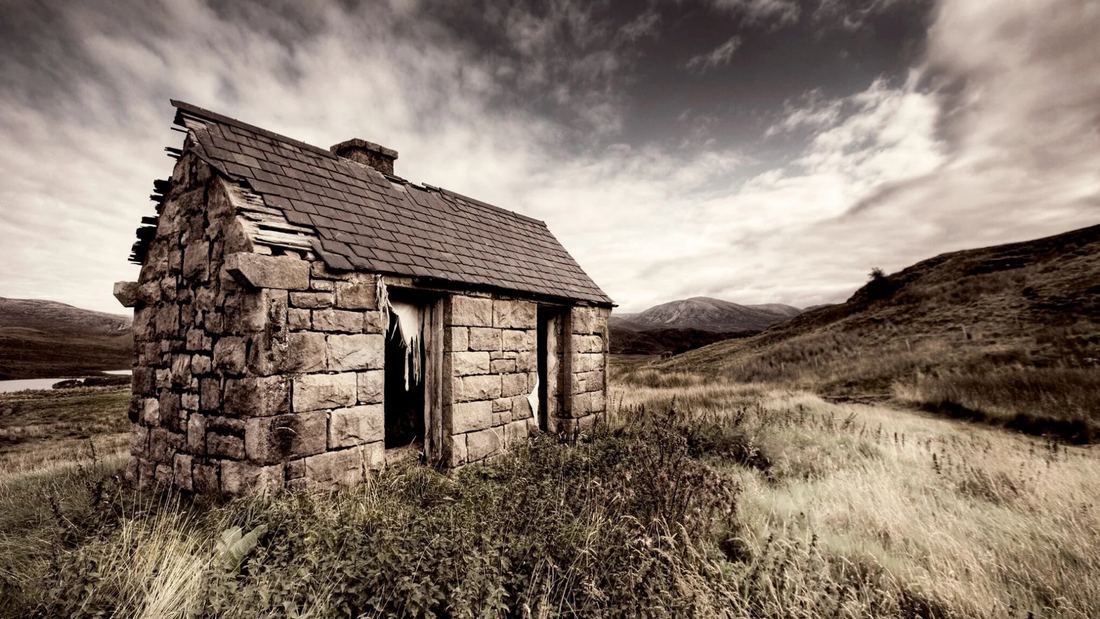
Thirteen years, forty photographs

Abandoned

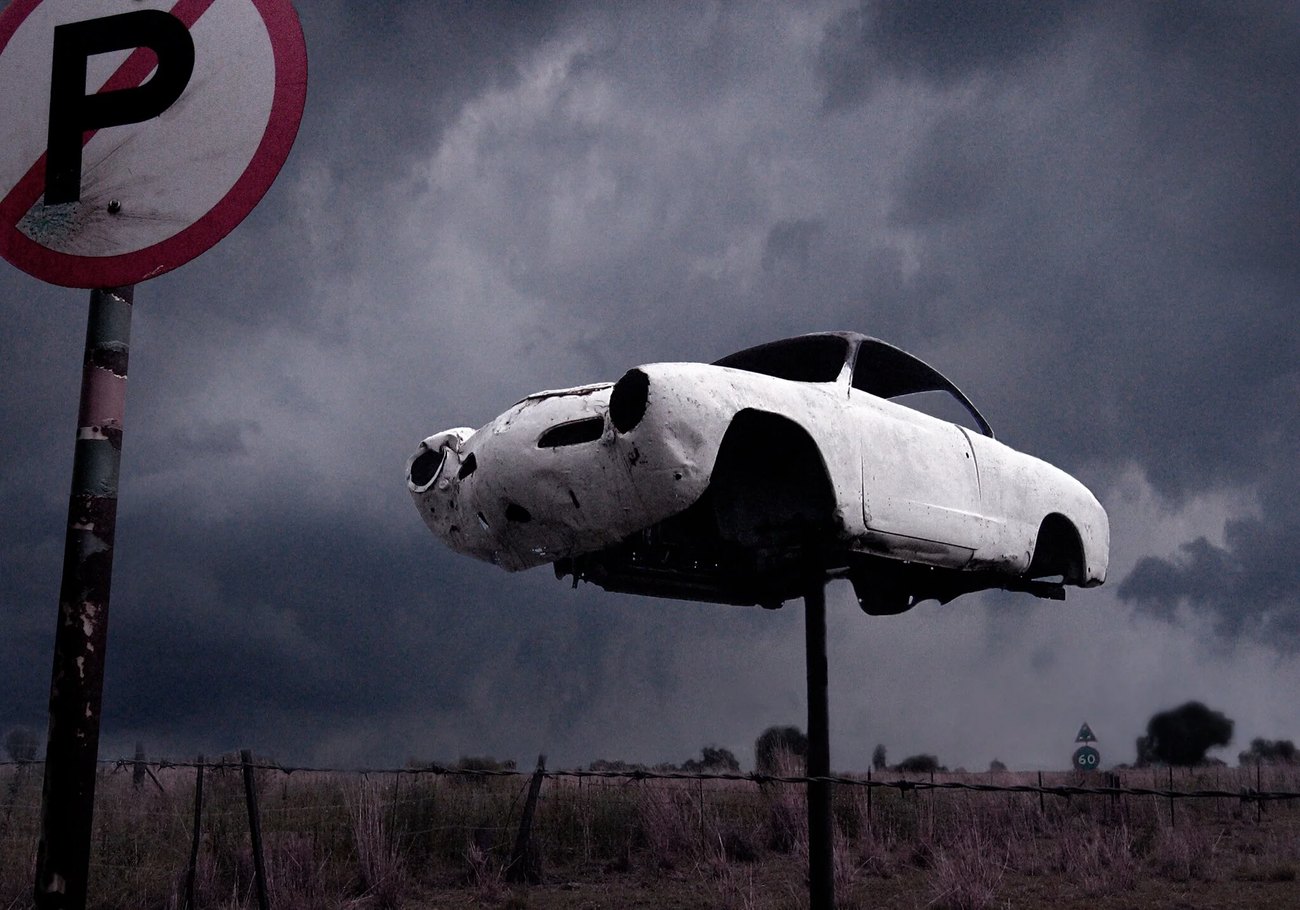
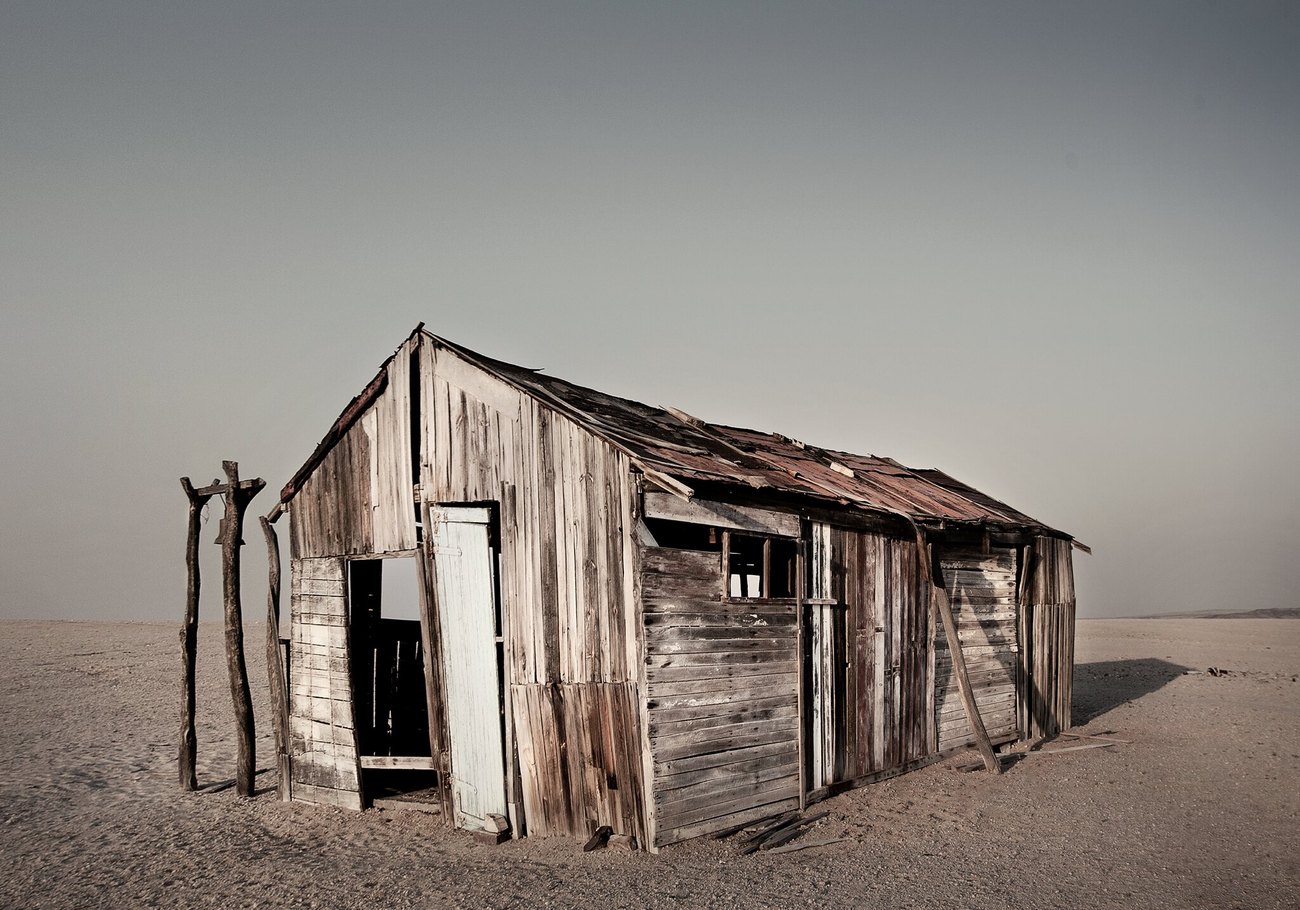
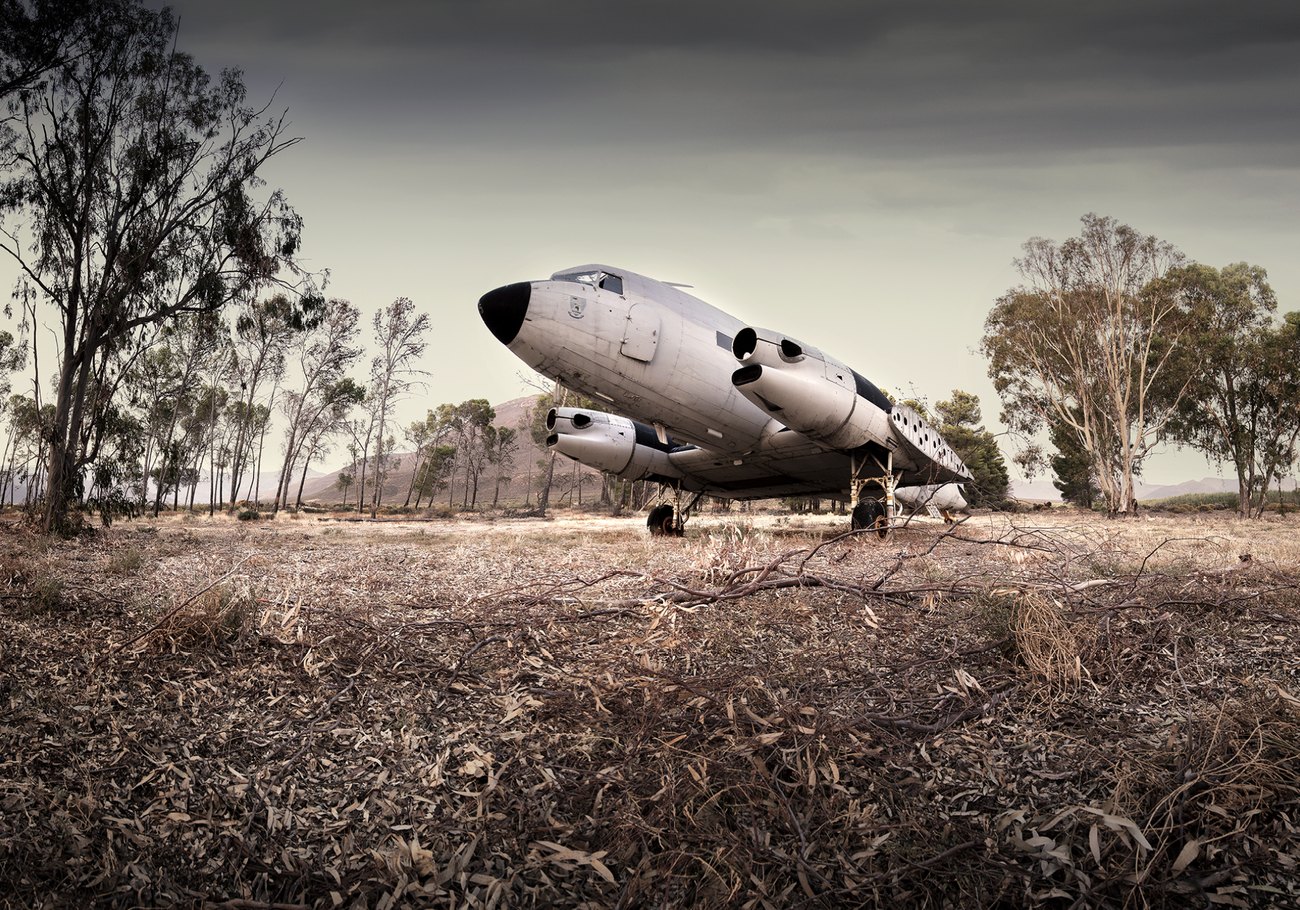
He began it in 2002 while still running a college and a commercial studio, and he finished it thirteen years later. Three from the collection, from the beginning, the middle and near the end.

Abandoned, Orange Free State, the first photograph in the collection
Orange Free State, the first picture in the collection
Abandoned, Namibian Desert, 2012
Namibian Desert, 2012
Abandoned, Western Cape, 2015
Western Cape, 2015

Thirteen years on one idea is worth saying out loud, because it is the opposite of what most people believe about making art. It was not a flash of talent. It was going back, again and again, until the thing was finished.

In his own words

Artist statement

On a winter's day in 1984, photography and I met quite by accident, an encounter that redirected my life and changed it forever. Over the years my methodology has taken numerous detours while walking a path of self discovery. It has refined a relaxed, subconscious attitude, with a desire to express simplicity and honesty through my work.

For me a photograph holds an undeniable sense of realism, a correlation that allows for simple association and connection. I see, I understand. I experience, I connect. I allow day to day life to provide the inspiration and I treat all subjects as potential compositions.

Life is my canvas, and I often feel like a painter trapped in a photographer's body, where lens and light have become an expressive substitute for paint and brushes. One of my great joys is using photography as a base to create mixed media pieces. Emotion and experimentation drive the process, and I allow the final artwork to evolve rather than contain its finality.

I attribute my style to several artists and photographers. Henri Cartier Bresson has inspired my social commentary and documentary work, and the teachings of Ansel Adams have influenced my landscape photography. Many of my still life and abstract studies have been described as painterly and expressionistic, drawing influence from Matisse and from Jackson Pollock.

I believe my steps have been guided along an inventive and purposed path by an awesome and caring God. I have never doubted my love for photography or my burning passion for art. It is something I could never stop. It is what I do, it is what I love, it is who I am.

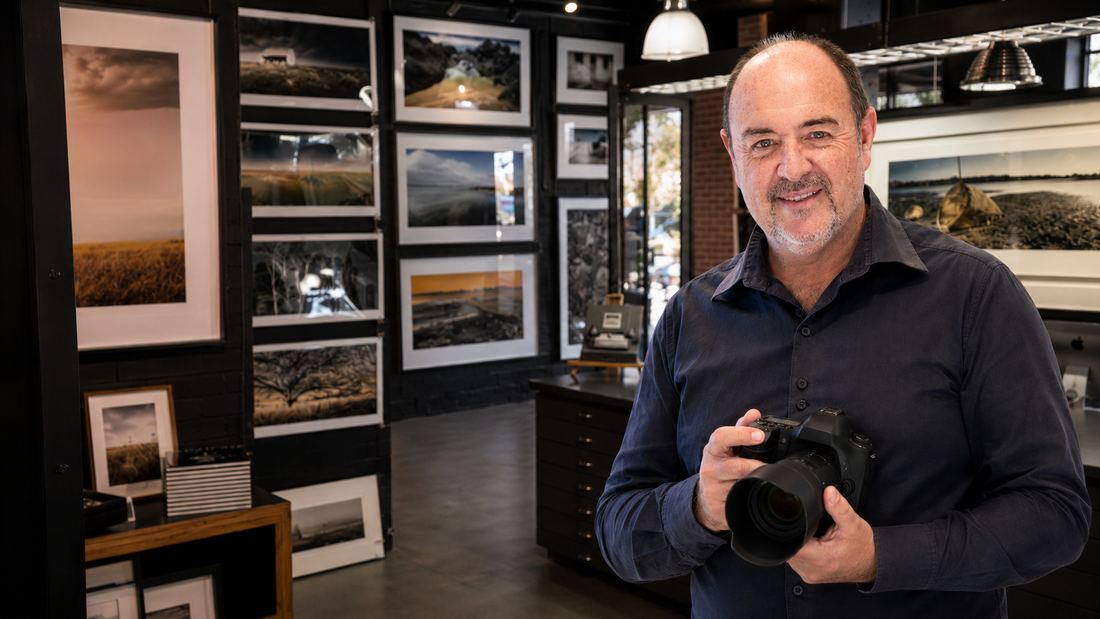
Martin Osner in the Osner Gallery, Hout Bay

And he is still in the room

He has not retired into being a name on a page

He exhibits and sells his own work, he runs a gallery you can walk into, and he teaches every week. That matters more than any of the paragraphs above it, because the one rule he has never bent is that nobody should teach a thing they are not doing.

The book that changed the direction

Everything here started in a darkroom, in a studio, and in a great deal of experimenting

In this film Martin tells the story of the book that was put into his hands, and how it changed the course of his creativity for good. That is the moment the fine art modules entered his full time programme, and it is the reason every technique the Academy teaches exists at all.

It is also where the phrase came from that the Academy still uses. Technically good, and artistically empty.

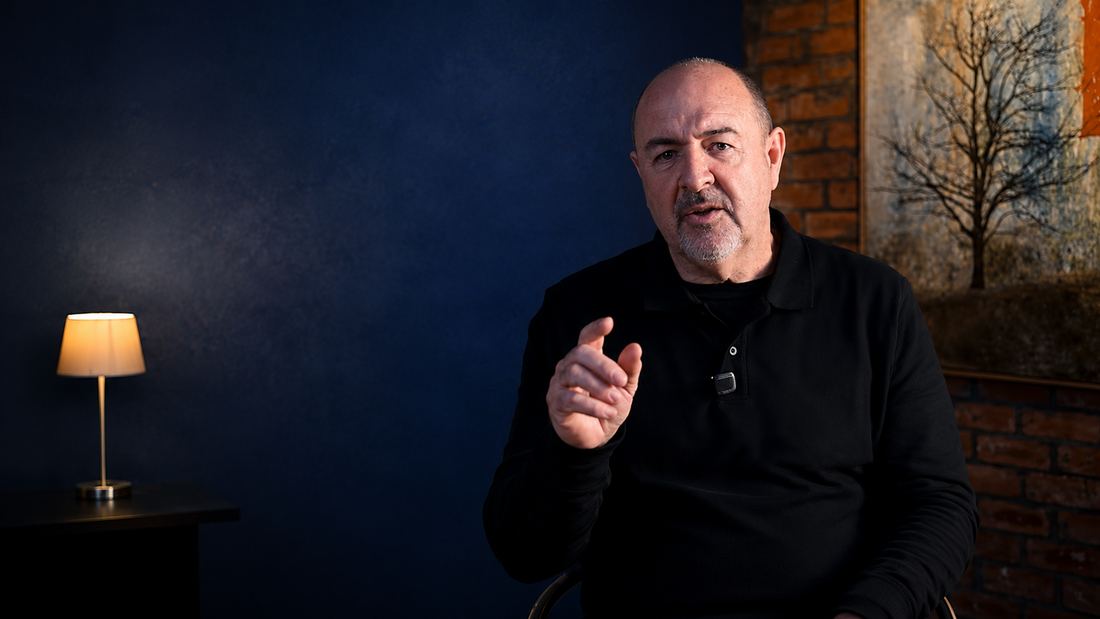
Martin Osner on the book that changed the course of his creativity

Watch: the moment his photography changed

There is a great deal more of this

A podcast series on Martin's life is being recorded now. Several episodes are up already and more are coming.

Watch the series

And then the painter stood up

Today he paints

The statement above was written some years ago, when the painter was still trapped. He now works in paint and in mixed media alongside the photography, and the way he tells it, the painter has stood up, taken control, and told the photographer to sit down and behave itself.

That evolution is the whole argument of the Academy, lived out by the person who teaches it.

Where Samantha comes in

He gave her a camera and she never left

In 2013 his daughter Samantha, an academic on her way to university, wandered into one of his lectures because she was bored. She asked him for a camera afterwards. He handed over a camera and a tripod, and eventually the Land Rover and the keys as well.

She is now an exhibiting artist, she teaches Photoshop for the Artist, and she is the reason any of this went online at all.

Read Samantha's story

Everything here started in a darkroom in the nineties

The techniques he invented to fix a problem inside his own college are the courses the Academy teaches today. Getting Started in Art Photography is the first of them.

Start where everybody starts

Or meet the nineteen artists who went the whole way on Martin's creative journey and have become the Academy's creative advisors.