Martin Osner
“Life is my canvas. I often felt like a painter trapped in a photographer’s body.”
Thirty five years of teaching. A college founded, built and sold. Thirty years of commercial work. A gallery in Cape Town. And every technique the Academy teaches.
Where it started
It began by accident, on a winter's day in 1984
He did not choose photography so much as collide with it. Everything since, the studio, the college, the commercial years, the gallery and the Academy, came out of that one encounter.
What follows is the short version. It is not a straight line, and the part that matters most to anybody reading this happened because he lost everything first.

The route he actually took
At a glance
1992
The year he lost everything
He and his partner were set up in a business scam and the whole thing went, wholesale and retail together. He felt he had lost his entire life.
He had also, for some time, been praying to be moved. He had drifted into standing behind a counter selling cameras instead of making things, and he wanted to be creating again.
The word he was given in church afterwards was that he had been pruned. A tree has to be cut back in order to bear much fruit. Within a year he was teaching night classes, and within three he was running a college.
He does not treat that year as bad luck. He treats it as the thing that put him where he was supposed to be, and he says so plainly when anybody asks.
Recognition, briefly, and then we will move on
The bits that are checkable
Awards prove talent. They do not prove he can get it out of you, which is why they sit here in one paragraph rather than filling the page.
Canon
Seven years as a Canon Ambassador
In 2012 Canon Europe commissioned him to present an international brand video, packaged with new Canon DSLRs as instructional media.
Awards
Five golds, and twenty three more
Twenty eight Fujifilm Southern Africa Photographic Awards across scenic, fine art, documentary, portraiture, architecture, industrial and automotive.
Exhibitions
From Johannesburg to London
His first show was at the Gordart Gallery in Johannesburg and his second at the Sally Thompson Gallery, also in Johannesburg. Then Stephanie Hoppen in London, Gallery Gora and Creative Boost in Montreal, Everard Read in Cape Town, and his own permanent spaces since 2010.
He was also voted best contemporary international artist for 2008 and 2009 by Arteque, Masters of Today.
His own work
What he actually makes
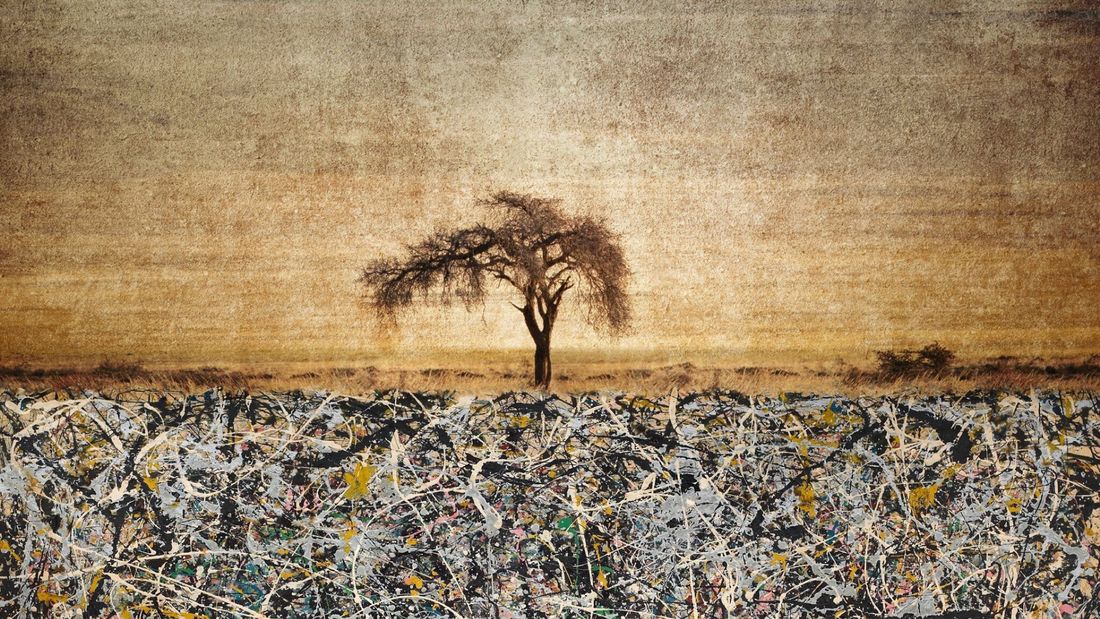
Ghostly abstracts, moody landscapes, social documentary and mixed media prints, in limited edition giclée and traditional black and white, for a collector's market.


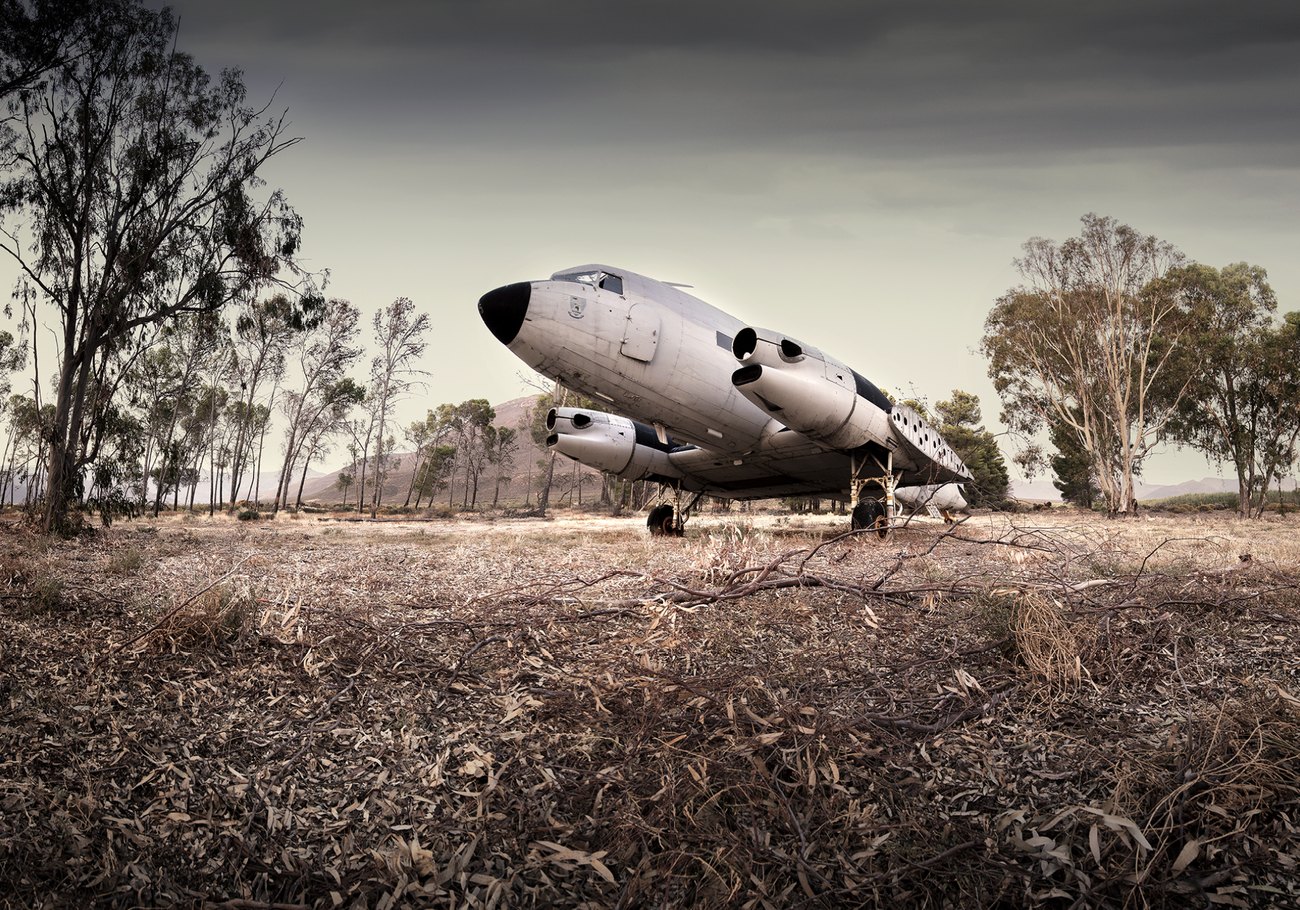
Thirteen years, forty photographs
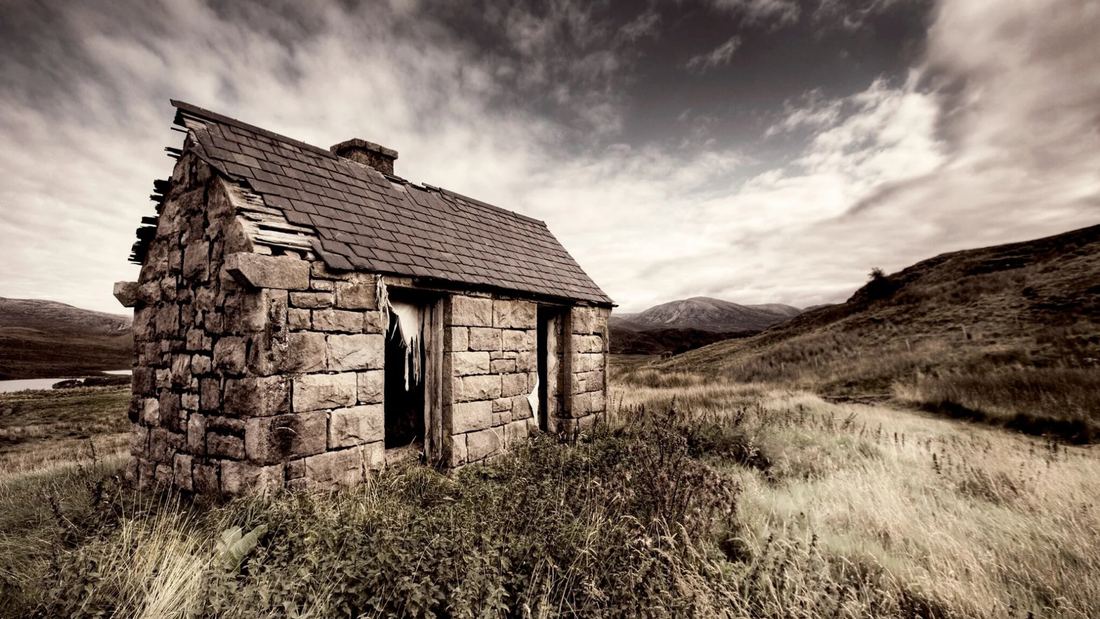
Abandoned
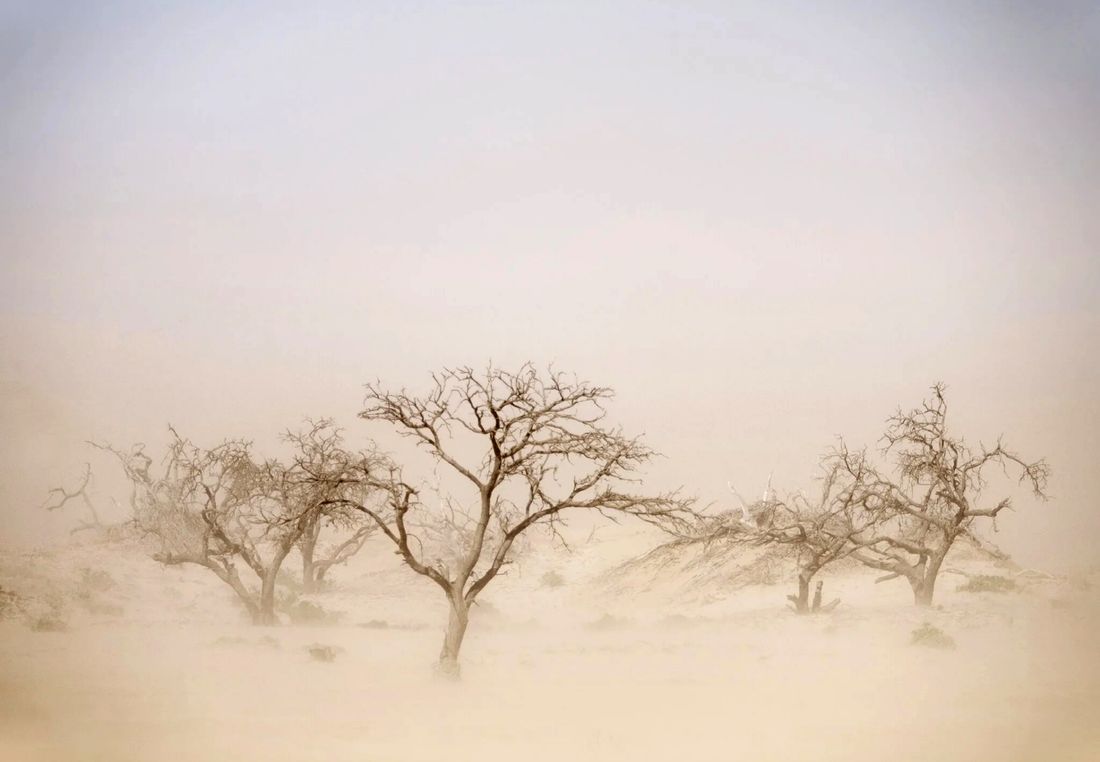
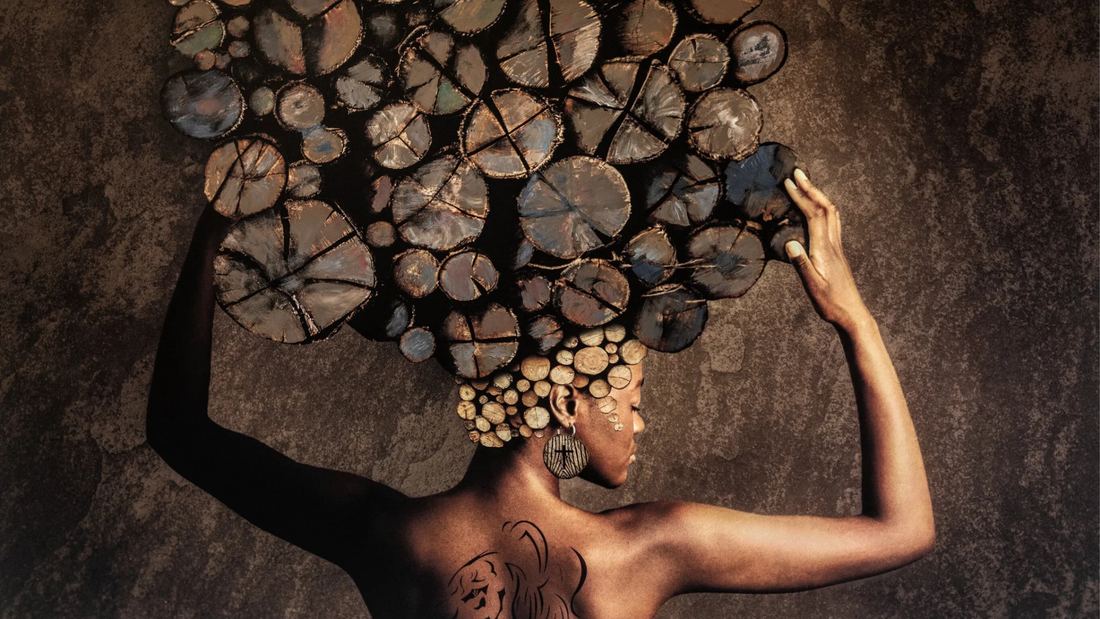
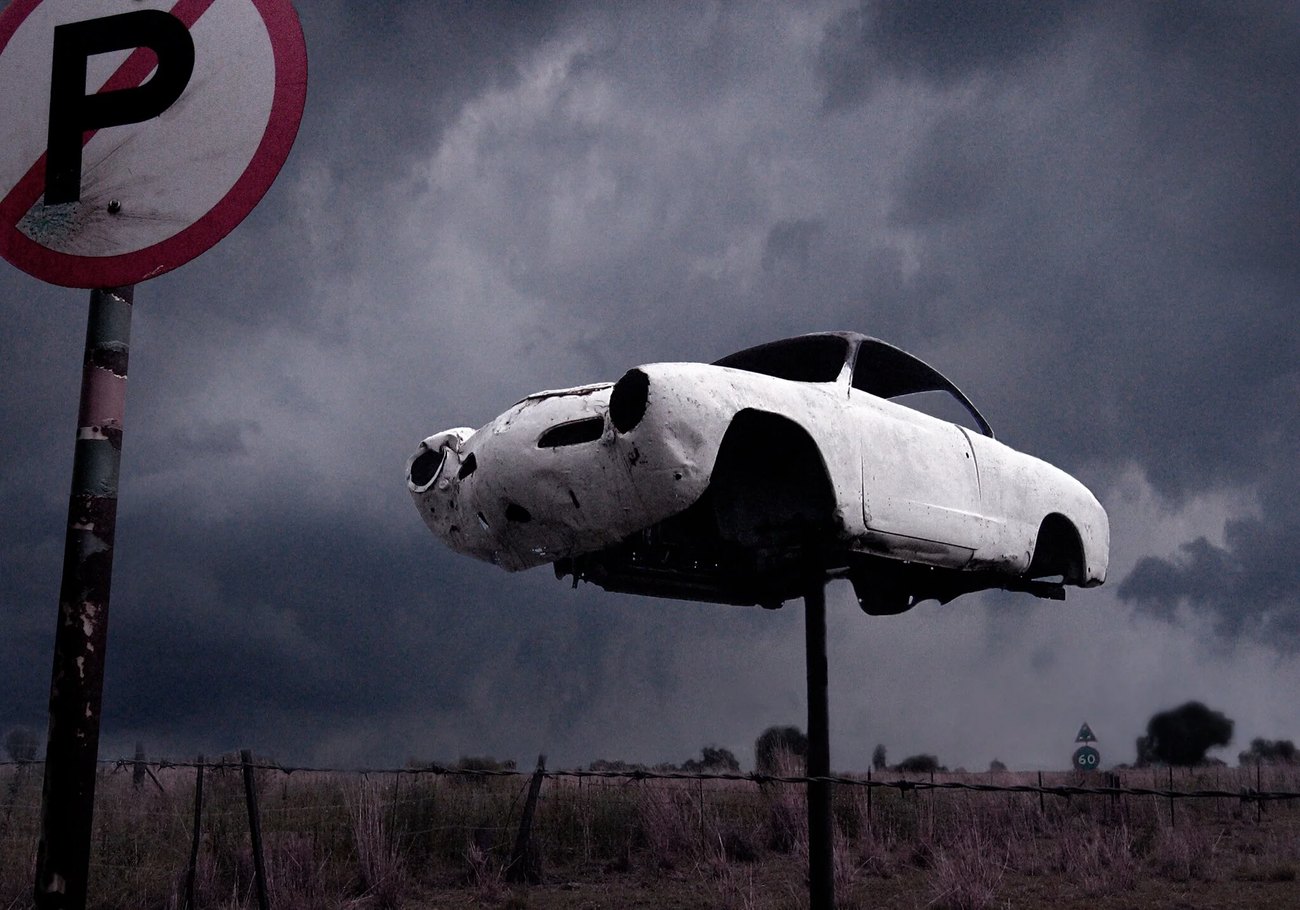
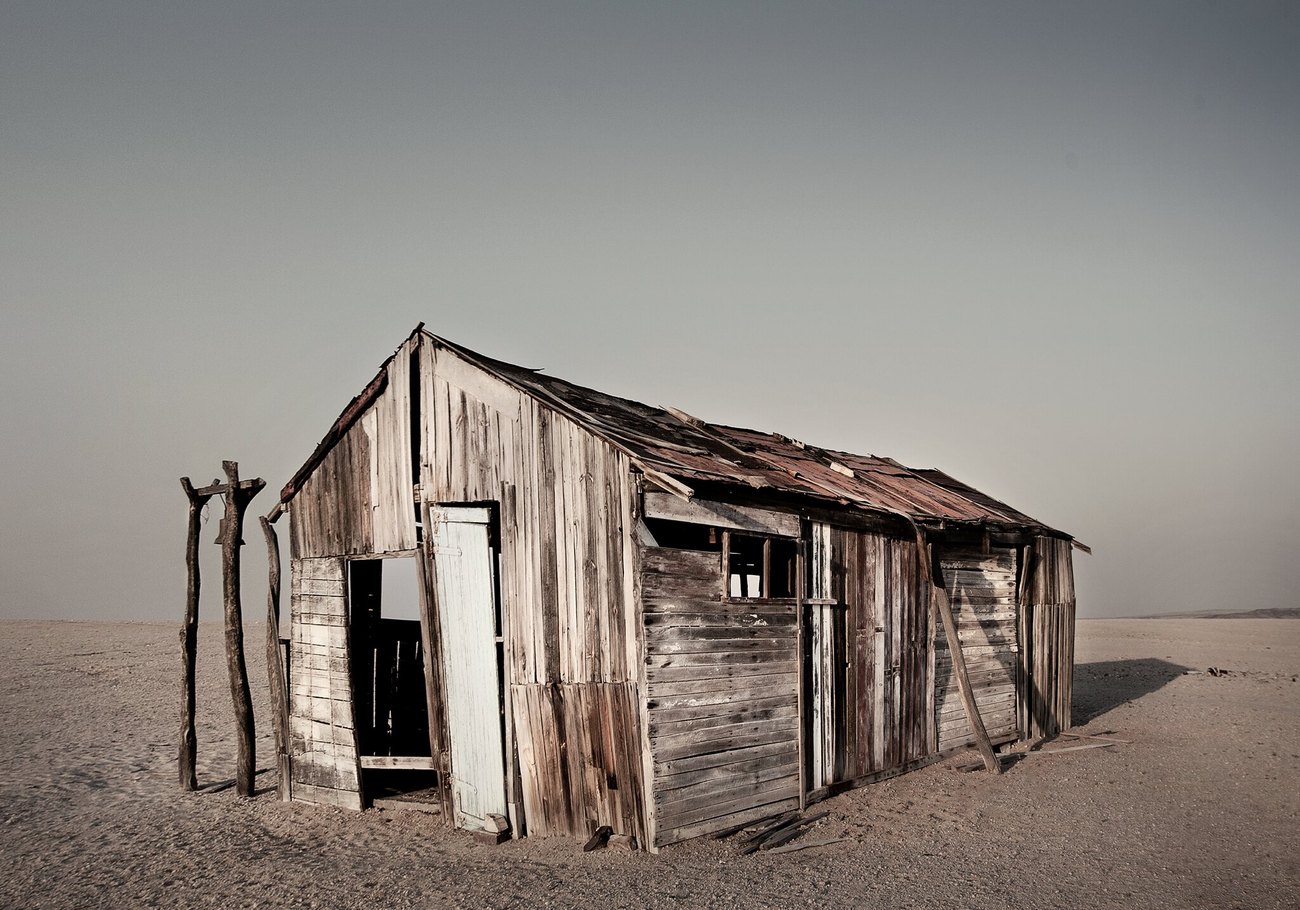
He began it in 2002 while still running a college and a commercial studio, and he finished it thirteen years later. Three from the collection, from the beginning, the middle and near the end.


Thirteen years on one idea is worth saying out loud, because it is the opposite of what most people believe about making art. It was not a flash of talent. It was going back, again and again, until the thing was finished.
In his own words
Artist statement
On a winter's day in 1984, photography and I met quite by accident, an encounter that redirected my life and changed it forever. Over the years my methodology has taken numerous detours while walking a path of self discovery. It has refined a relaxed, subconscious attitude, with a desire to express simplicity and honesty through my work.
For me a photograph holds an undeniable sense of realism, a correlation that allows for simple association and connection. I see, I understand. I experience, I connect. I allow day to day life to provide the inspiration and I treat all subjects as potential compositions.
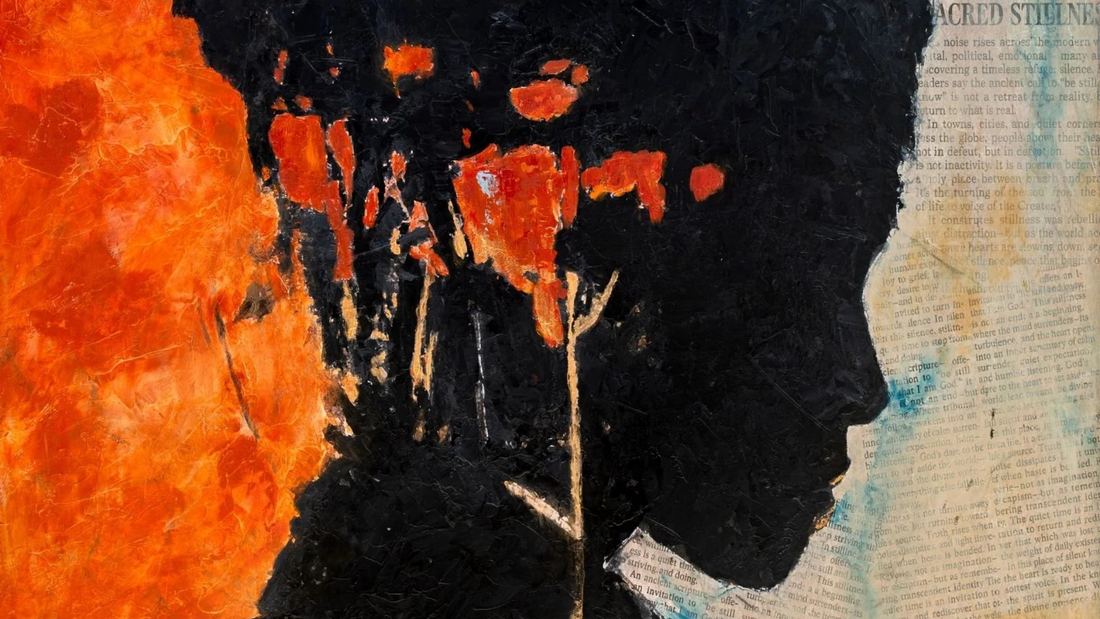
Life is my canvas, and I often feel like a painter trapped in a photographer's body, where lens and light have become an expressive substitute for paint and brushes. One of my great joys is using photography as a base to create mixed media pieces. Emotion and experimentation drive the process, and I allow the final artwork to evolve rather than contain its finality.
I attribute my style to several artists and photographers. Henri Cartier Bresson has inspired my social commentary and documentary work, and the teachings of Ansel Adams have influenced my landscape photography. Many of my still life and abstract studies have been described as painterly and expressionistic, drawing influence from Matisse and from Jackson Pollock.
I believe my steps have been guided along an inventive and purposed path by an awesome and caring God. I have never doubted my love for photography or my burning passion for art. It is something I could never stop. It is what I do, it is what I love, it is who I am.

And he is still in the room
He has not retired into being a name on a page
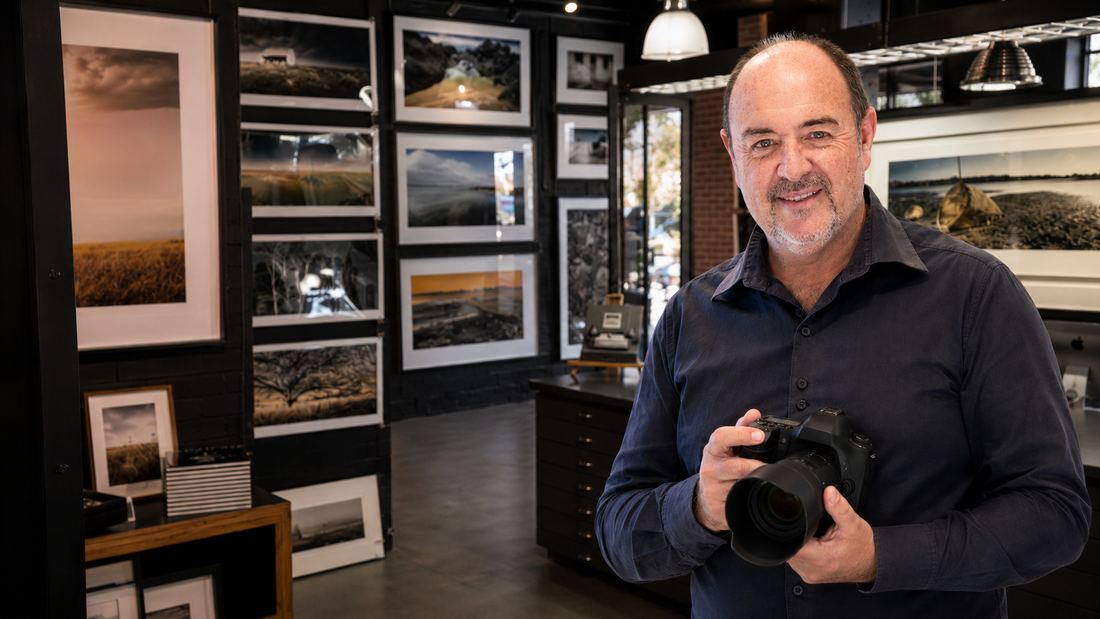
He exhibits and sells his own work, he runs a gallery you can walk into, and he teaches every week. That matters more than any of the paragraphs above it, because the one rule he has never bent is that nobody should teach a thing they are not doing.
The book that changed the direction
Everything here started in a darkroom, in a studio, and in a great deal of experimenting
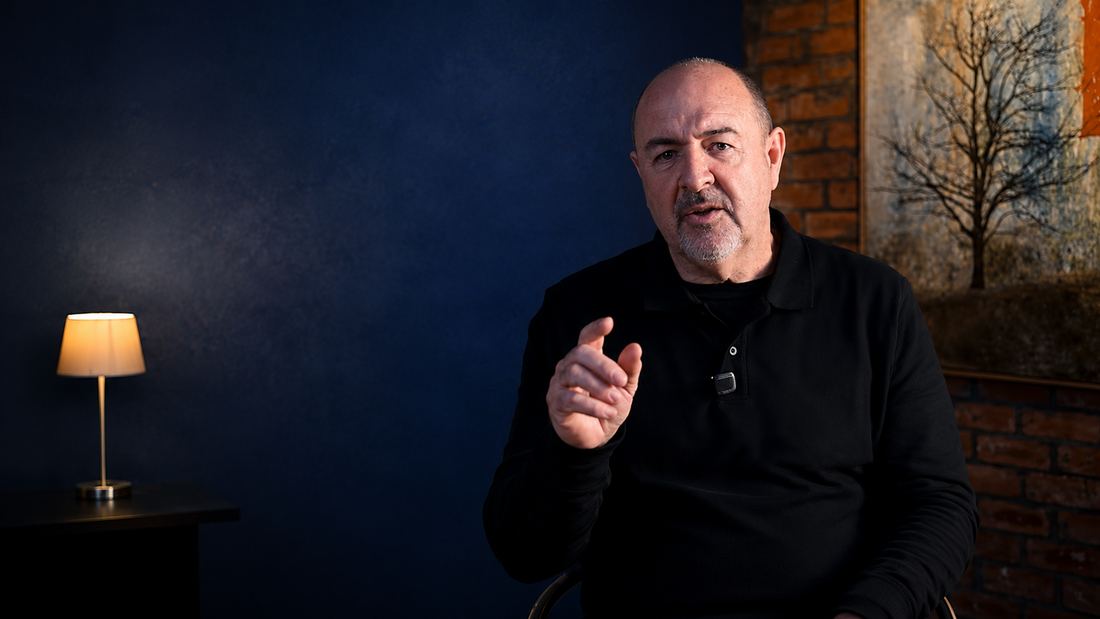
In this film Martin tells the story of the book that was put into his hands, and how it changed the course of his creativity for good. That is the moment the fine art modules entered his full time programme, and it is the reason every technique the Academy teaches exists at all.
It is also where the phrase came from that the Academy still uses. Technically good, and artistically empty.
Watch: the moment his photography changed
There is a great deal more of this
A podcast series on Martin's life is being recorded now. Several episodes are up already and more are coming.
Watch the seriesAnd then the painter stood up
Today he paints
The statement above was written some years ago, when the painter was still trapped. He now works in paint and in mixed media alongside the photography, and the way he tells it, the painter has stood up, taken control, and told the photographer to sit down and behave itself.
That evolution is the whole argument of the Academy, lived out by the person who teaches it.
Where Samantha comes in
He gave her a camera and she never left
In 2013 his daughter Samantha, an academic on her way to university, wandered into one of his lectures because she was bored. She asked him for a camera afterwards. He handed over a camera and a tripod, and eventually the Land Rover and the keys as well.
She is now an exhibiting artist, she teaches Photoshop for the Artist, and she is the reason any of this went online at all.
Read Samantha's storyEverything here started in a darkroom in the nineties
The techniques he invented to fix a problem inside his own college are the courses the Academy teaches today. Getting Started in Art Photography is the first of them.
Start where everybody startsOr meet the nineteen artists who went the whole way on Martin's creative journey and have become the Academy's creative advisors.