
 8 min
8 min
“He has given me a new way to appreciate art, and then a way to be a part of it as well.”
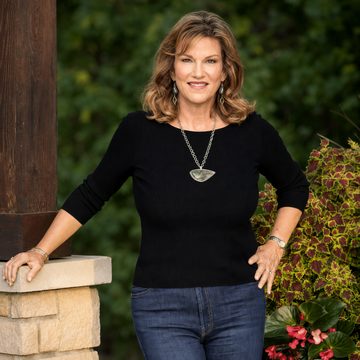
Leslie Hoyt
Fifteen years of portrait photography. A good eye, and no way in to art.
Step two, for people who have completed Getting Started in Art Photography
Eight advanced techniques built around abstraction, where the photograph stops behaving like a photograph. Paint fused into glass, images broken apart and reassembled, a lens you make yourself out of nothing, and tactile textures and surfaces you can practically feel from across the room.
$690 · eight weeks if you follow the programme, or carry on at your own pace · both courses together for $1,180 and save $200
Not done Getting Started in Art Photography yet? Begin thereThe techniques on this course build on from the Getting Started in Art Photography class. Without having done that class first you would be coming in cold, because many of these techniques refer back to the earlier lessons, and you would feel as though you were trying to catch up the whole time instead of making steady progress. Start with Getting Started and come back to this one once you have done so and are ready to go further.
Where you are on the path
The courses run in order because the techniques build on each other. This is the step where the work turns abstract, and for a lot of people it is the one that changes how they see.
Step one
An introduction to the hand techniques. Painting, transfers, solarisation, powder and montage. Where everybody here begins, and where a great many people happily stay.
Available now
Step two
Eight advanced techniques built around abstraction. Paint fused into glass, images broken apart, a lens you make yourself. This course is for photographic artists who want to add a strong artistic layer to their work.
Available now
Step three
Where art photography becomes fine art photography, and the work stops being decorative and starts being emotive.
Being recorded now
Step four
The ultimate point on the path, for photographers building a body of work rather than a collection of pictures, and for those wanting to exhibit as a professional artist.
Being released in 2027
Beyond this there are two more, Next Level Fine Art Photography, being recorded now, and Advanced Fine Art Photography, being released in 2027. They are where art photography becomes fine art photography, and the difference matters. Art photography is largely decorative, work that is lovely to live with. Fine art photography is emotive, work that is trying to move somebody. Your journey can start and end where you feel comfortable. Photographic artists are not obliged to go as far as Advanced Fine Art Photography, and many are content to stop at Getting Started in Art Photography, or even here at Going Further. It all depends on you and your goals.
Who is this creative journey for
You have completed Getting Started in Art Photography and you would like to explore further techniques and conceptual ideas. You can already use a craft technique and make a photograph look like an art piece that deserves to be on a wall. What you are learning now is how to make your work feel more tactile, and how to explore the abstract. This course starts to move your work into a more personal space, as you begin to develop your own style.
Right for you if
You have the bench, the materials and the confidence. What you want now is range, and a body of work rather than a set of exercises.
Also right if
If the pictures that stop you are the ones you cannot quite explain, this is the course where that becomes a method rather than an accident.
Not for you if
This course assumes the first one. Coming in cold is possible but you will spend the whole time catching up, and we would rather you enjoyed it.
What you will actually be creating
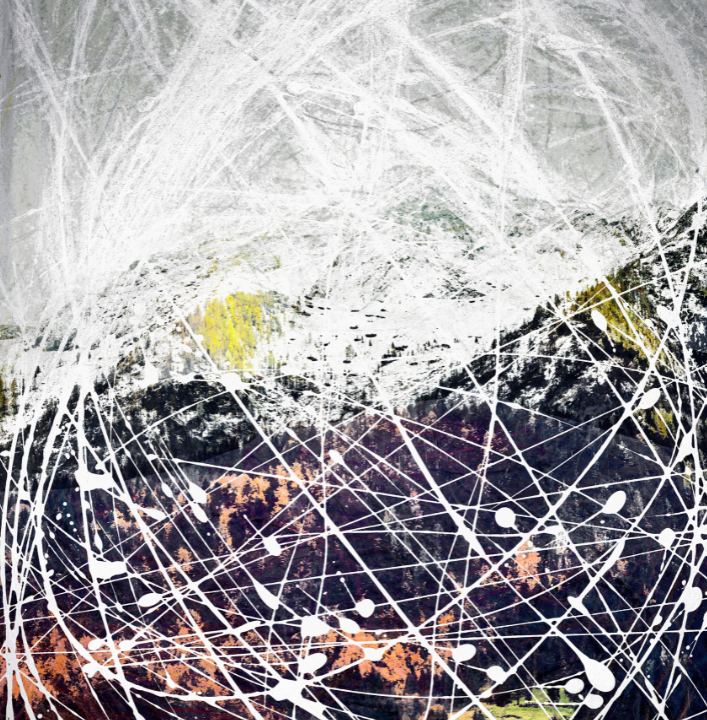
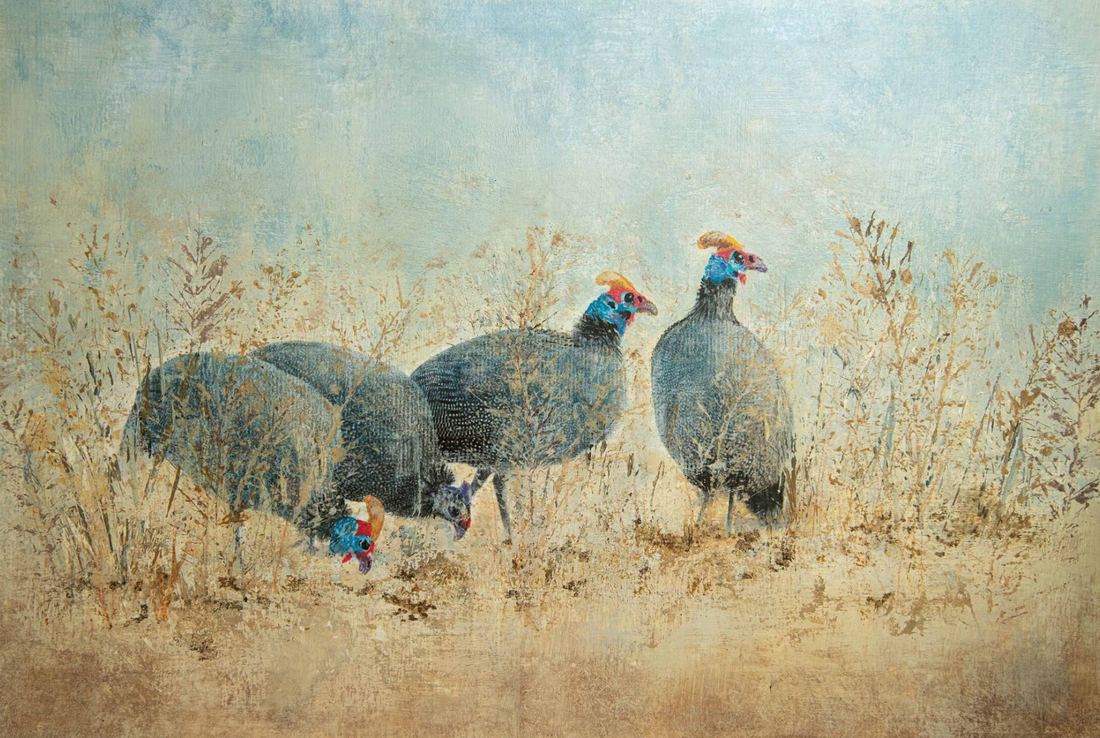
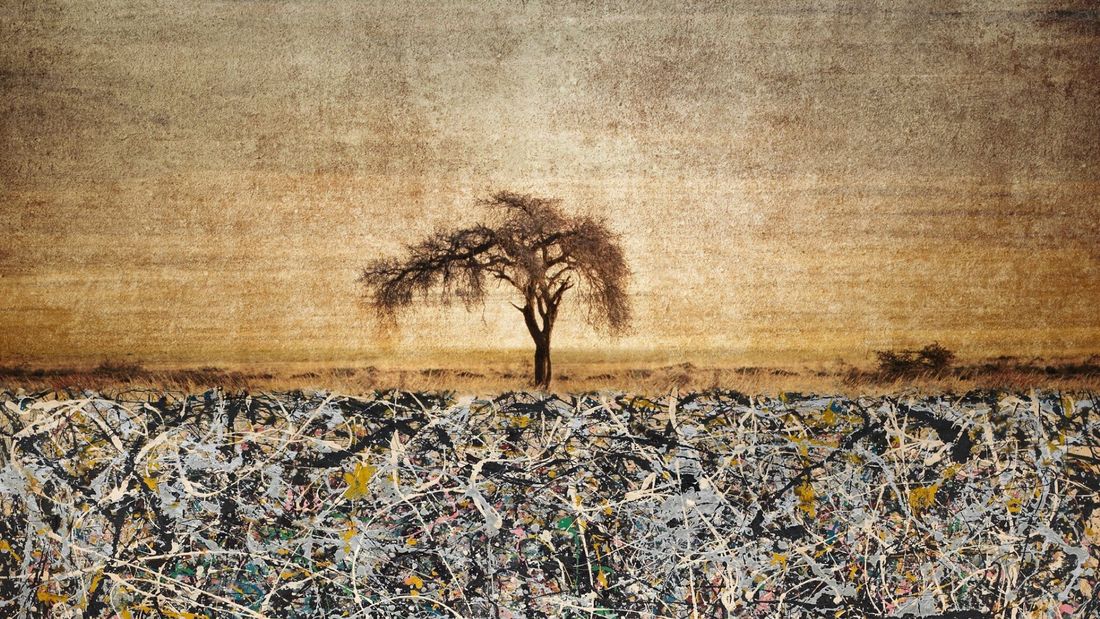
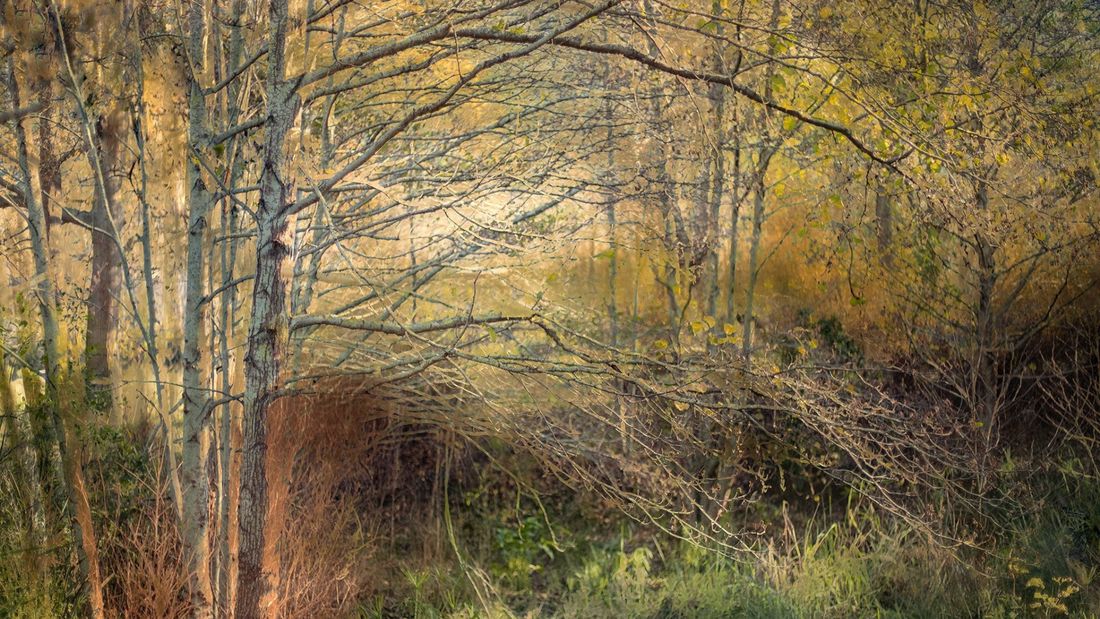
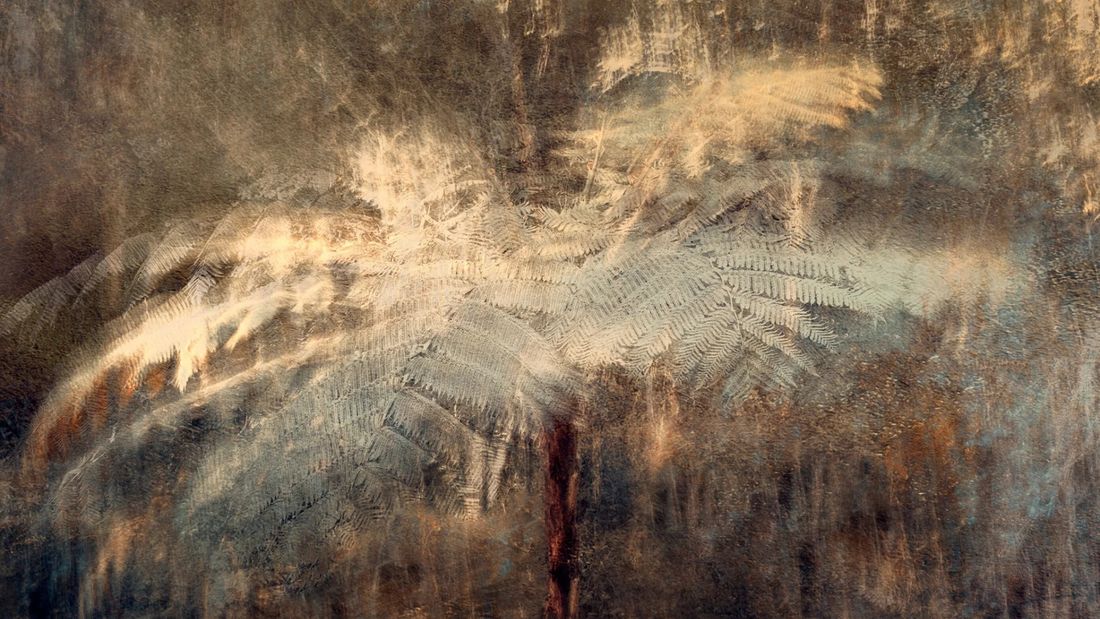
Every one of these was made by a student on this course, not on the first one. Click on them to see each pair side by side.
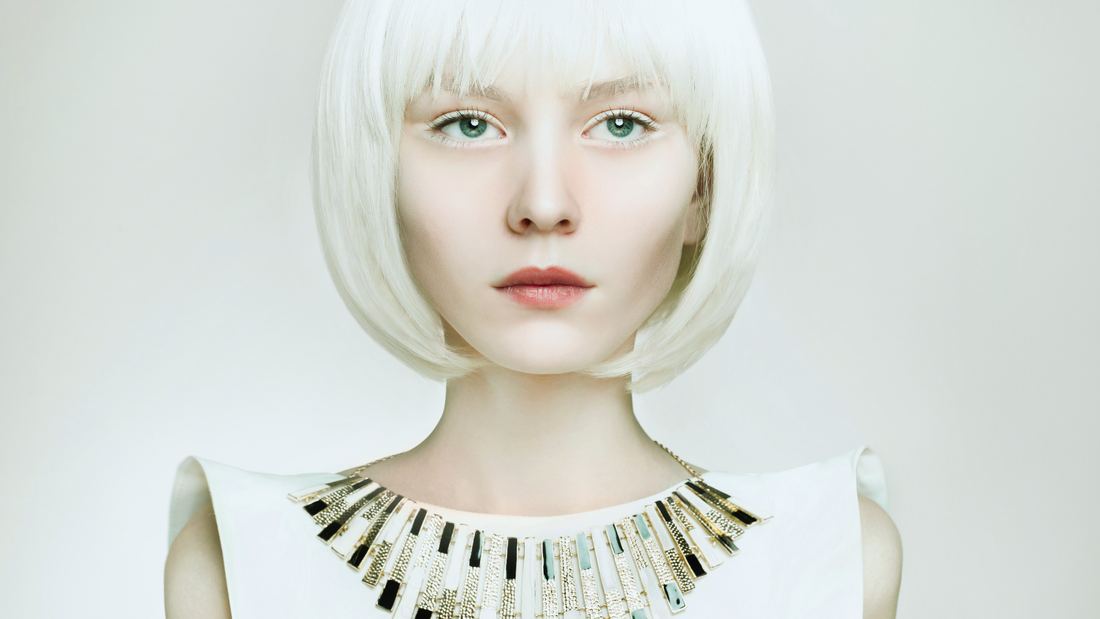 Before
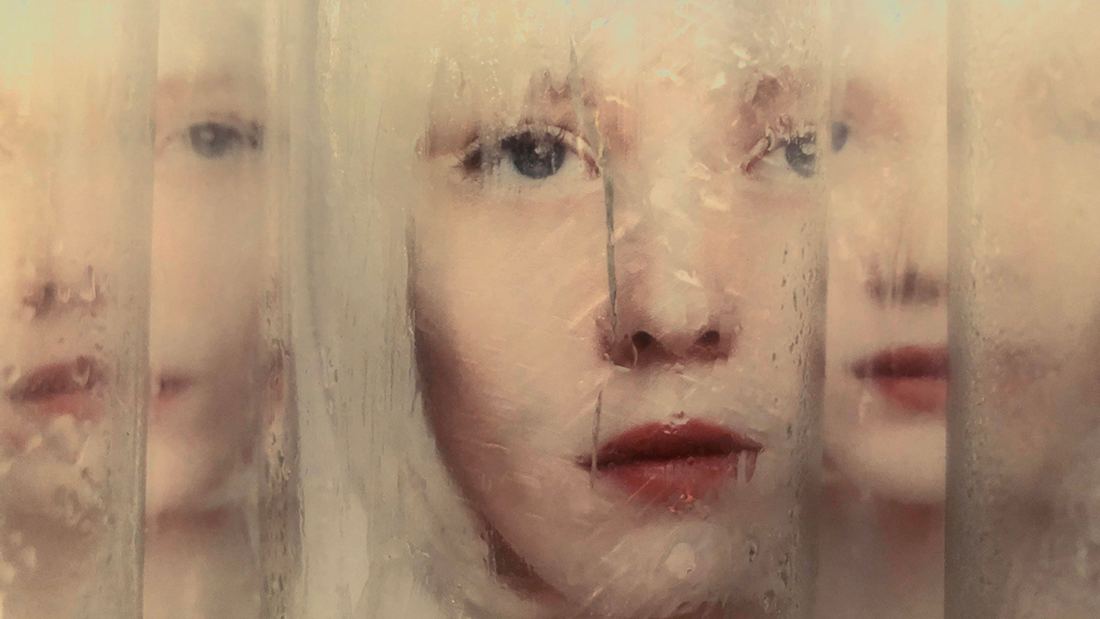 After
After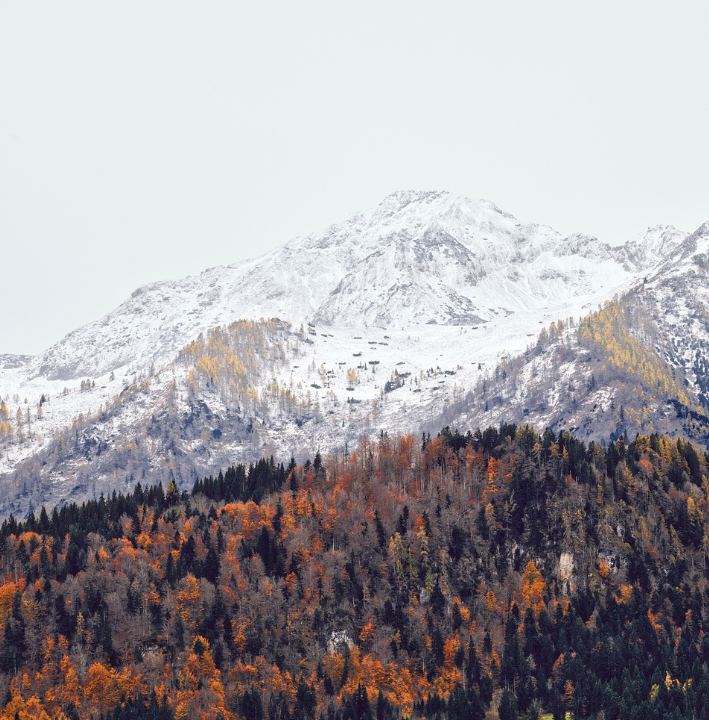 Before
 After
After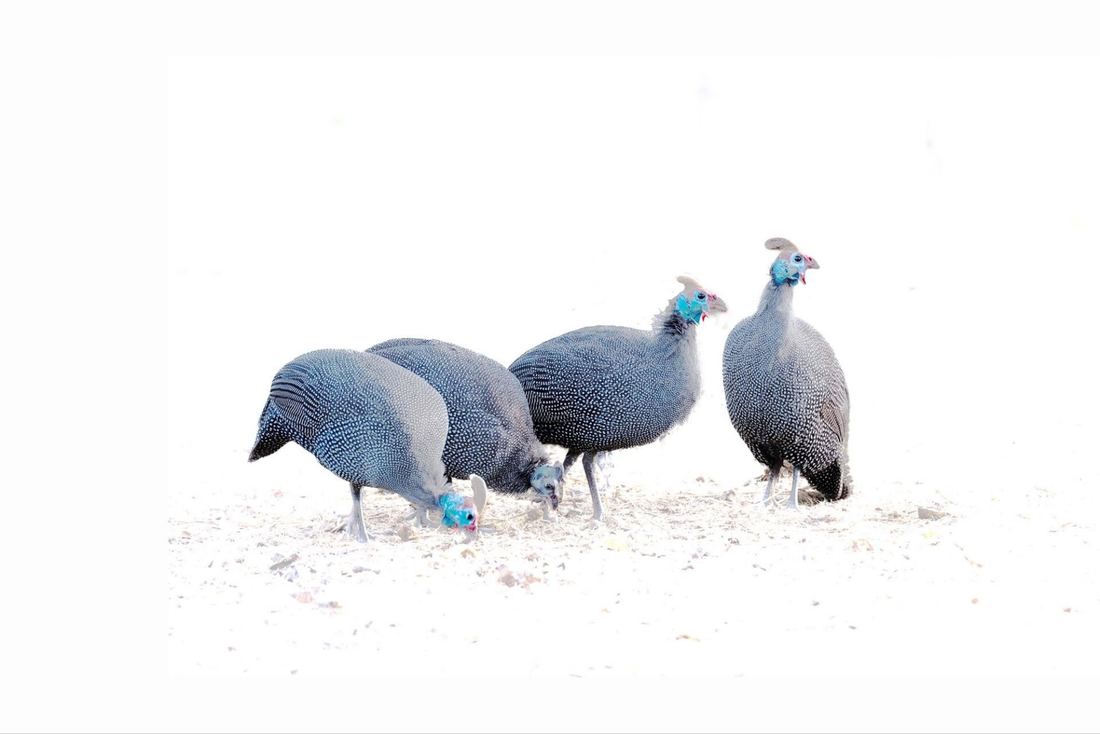 Before
 After
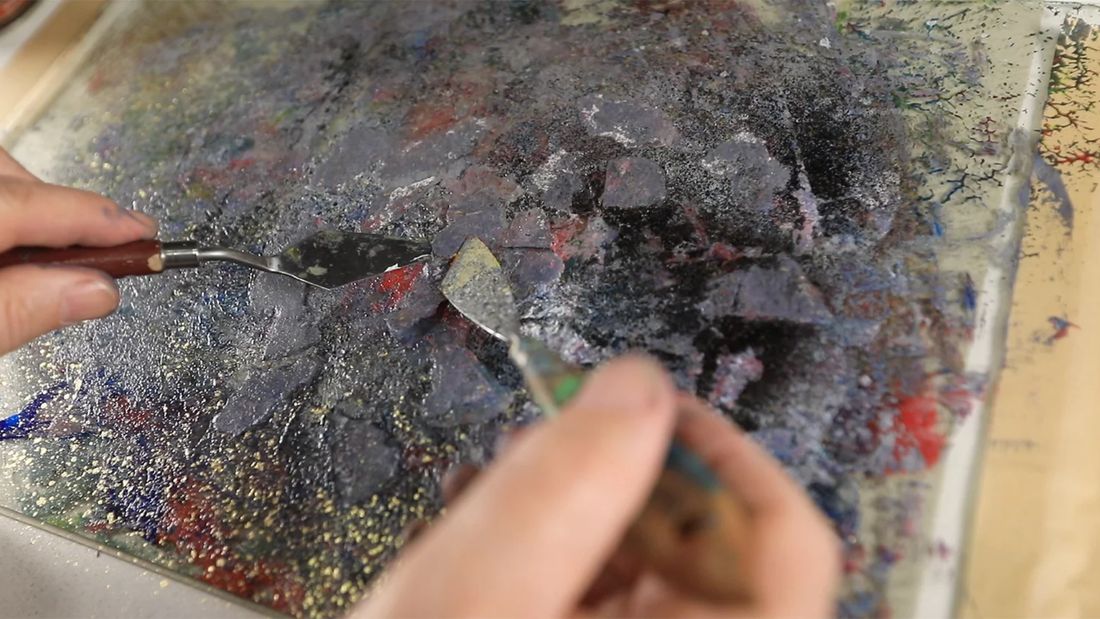
AfterPaint, glass, foil, crystal and light
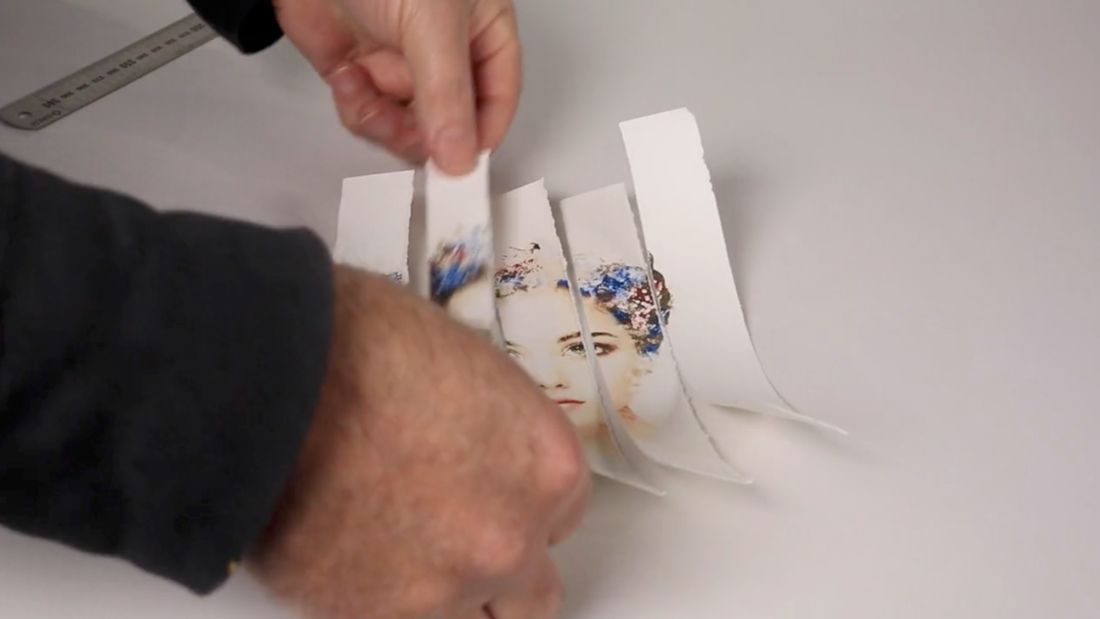
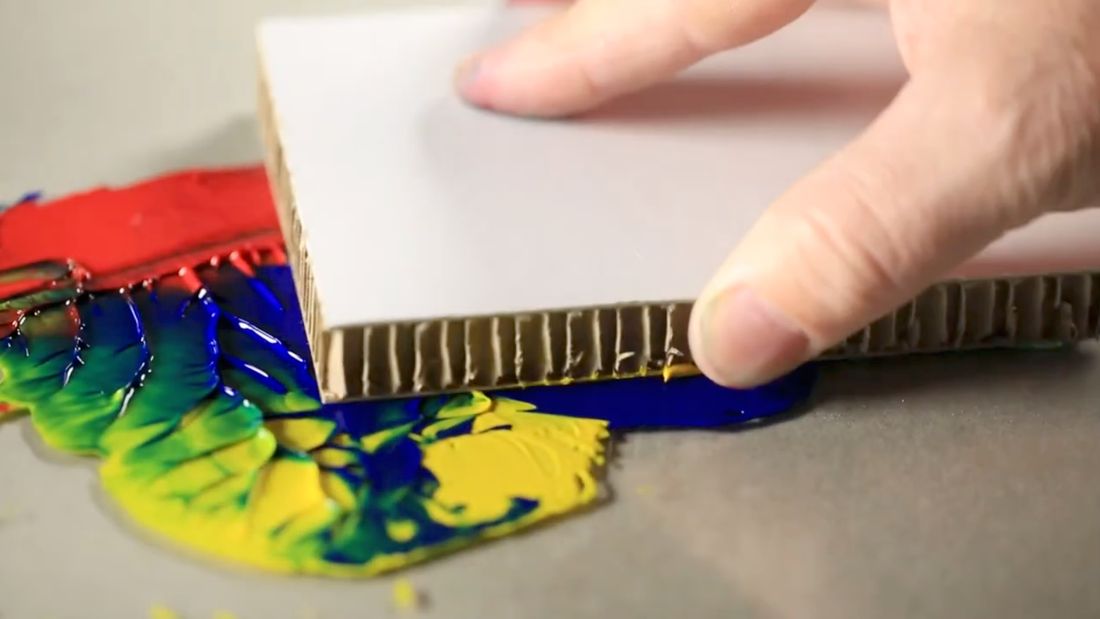
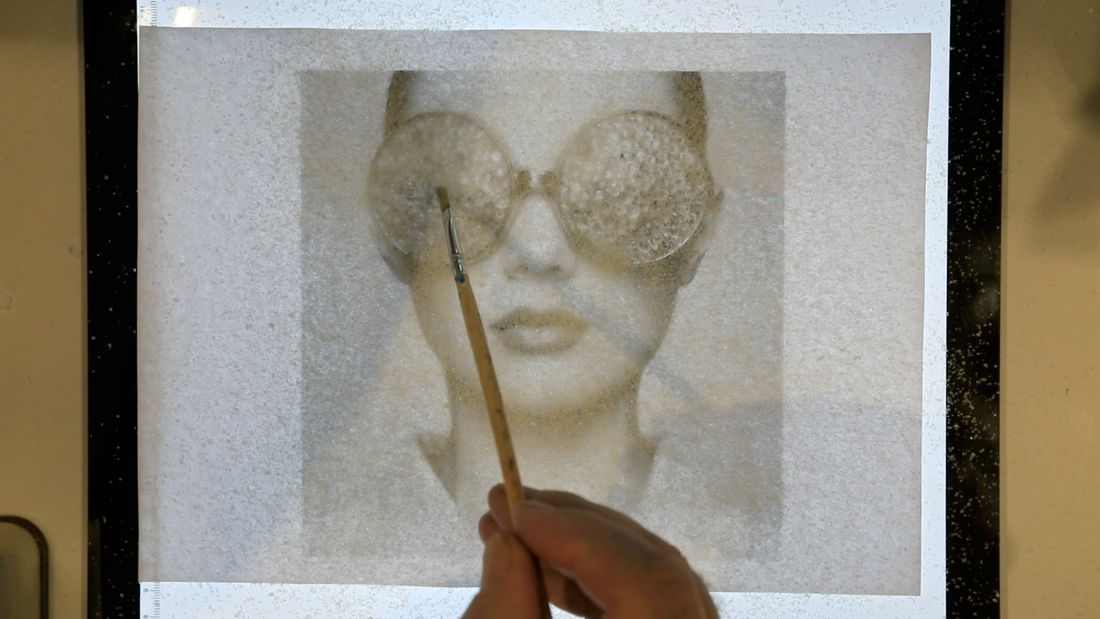
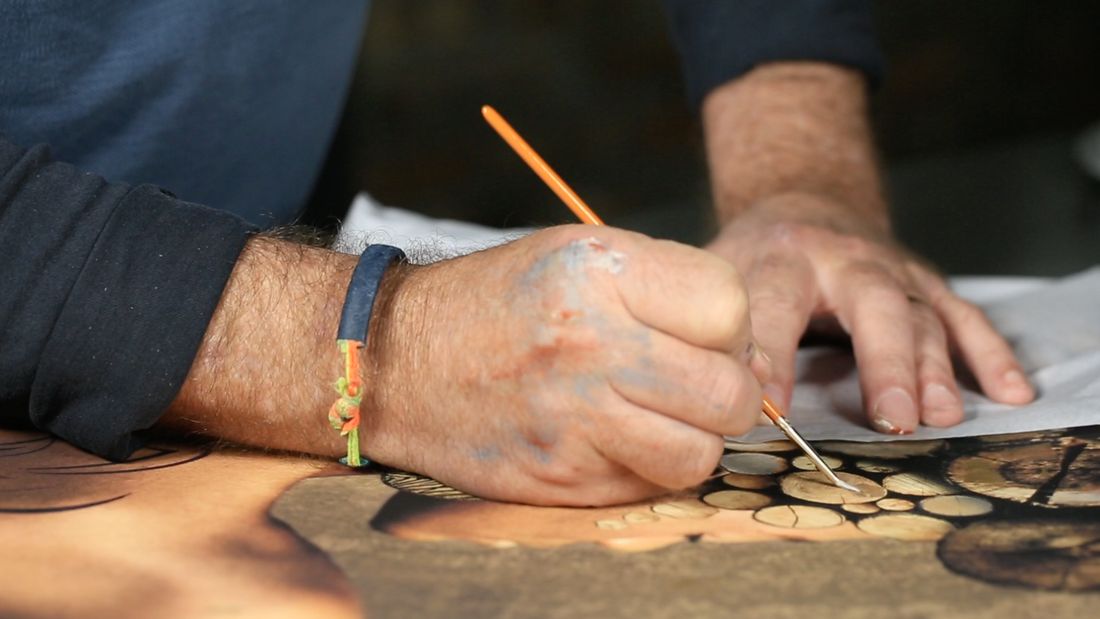
Just as with Getting Started in Art Photography, every one of these techniques is done by hand on the workbench of art, and several of them cannot be repeated even by the person who made them in the first place. That is precisely the point. It is why your work starts to carry your own signature and style, rather than a preset. A look and feel that is identifiably yours.
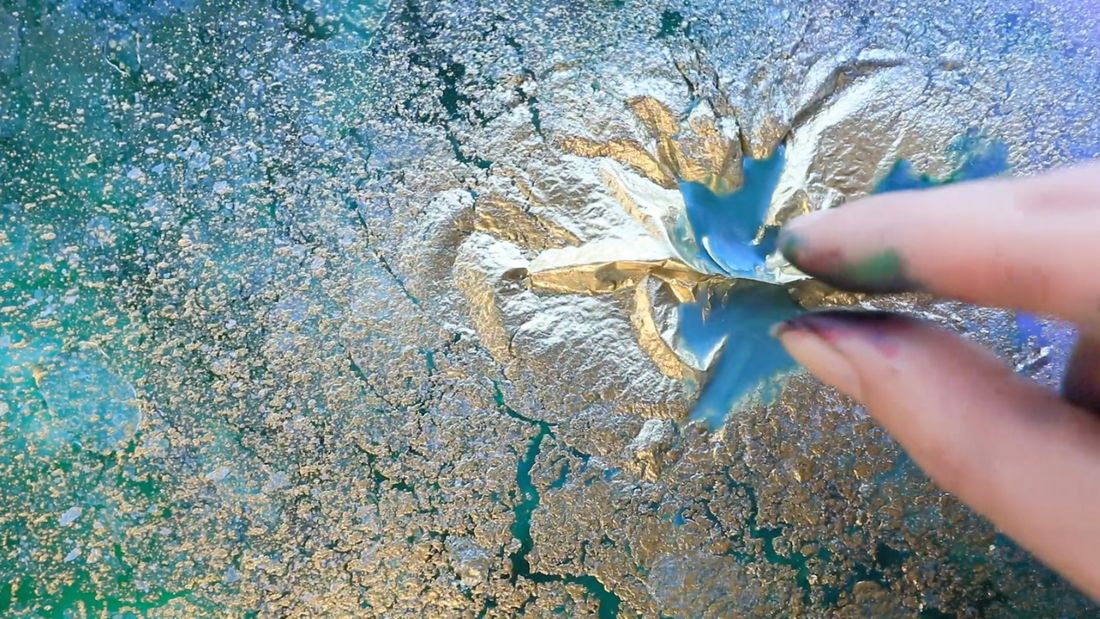
One of these eight, Refracted Impression, is also available on its own as a short course for $39, for anybody who wants to try a technique before committing to a full one. Have a look at it here.
Technique by technique
As with the Getting Started in Art Photography course, this one also takes eight weeks to complete, but you can carry on at your own pace regardless. The techniques are released weekly and one at a time, so you have room and time to practise each one properly. This is a new course that appears in your library, so you can move back and forth between the techniques whenever you like to refresh yourself.
Where the course begins, and the lesson that changes how you see. Complete abstraction, partial abstraction and geometric abstraction, then the fluid impression itself, worked wet and never quite repeatable.
Paint and glass pressed into the image so the surface carries light differently wherever you look. Preparation matters more here than anywhere else on the course.
Optical distortion, used to take a photograph apart and reassemble it into layered, repeated planes. Close to Cubism, but made with a camera. This is the technique people will assume was made on an easel rather than through a lens.
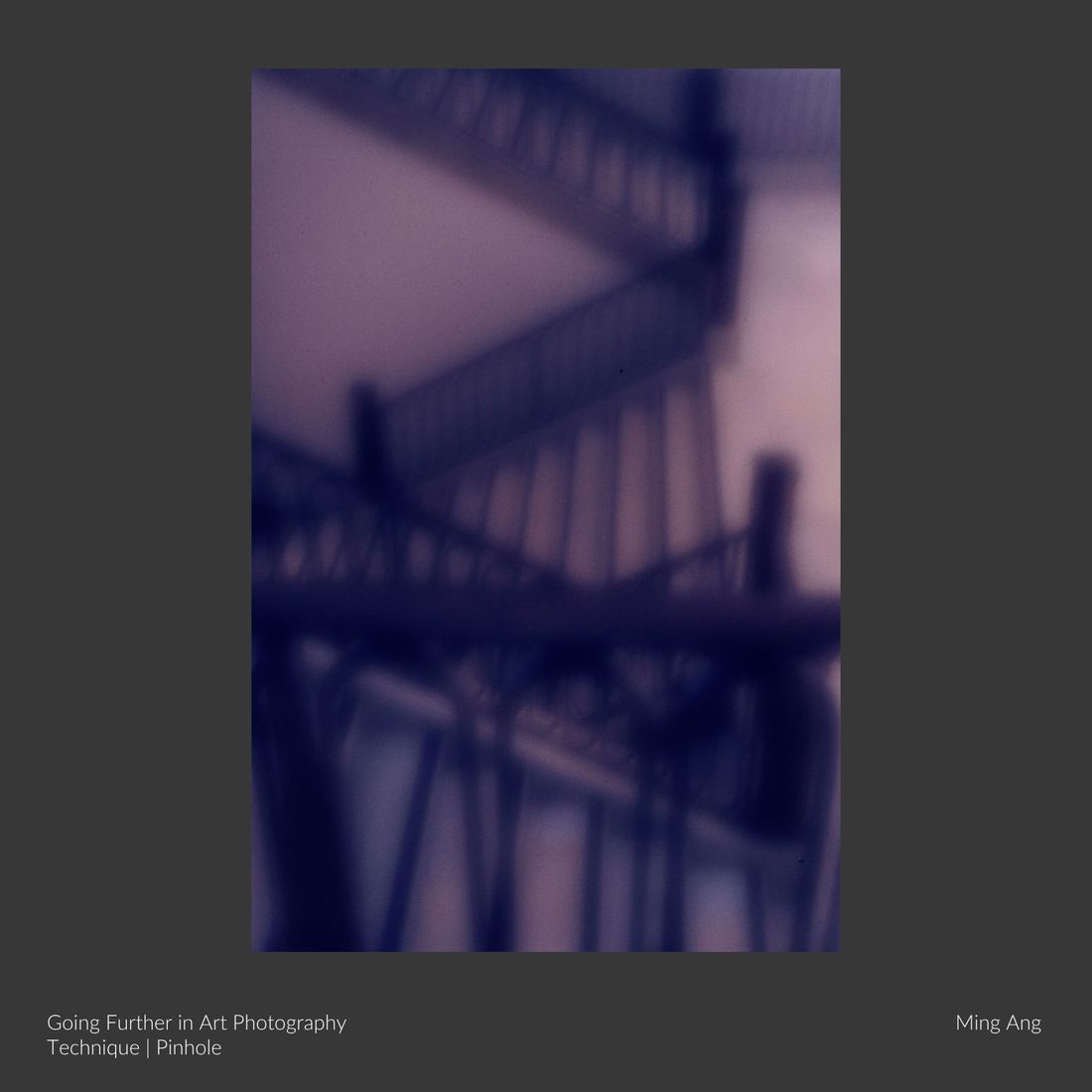
You make the lens yourself. Drawing with light rather than recording it, and the softest, least mechanical pictures you will ever take.
Texture overlays laid by hand, so the finished piece reads as an object rather than a print.
Depth built physically into the surface. The one students say photographs badly and has to be seen in the room.
The colour transfer taken further, in three parts, including the Polaroid border finish.
Mirroring the frame so the picture stops behaving like a window and starts behaving like a pattern. The lesson that pulls the other seven together.
Meet your instructors
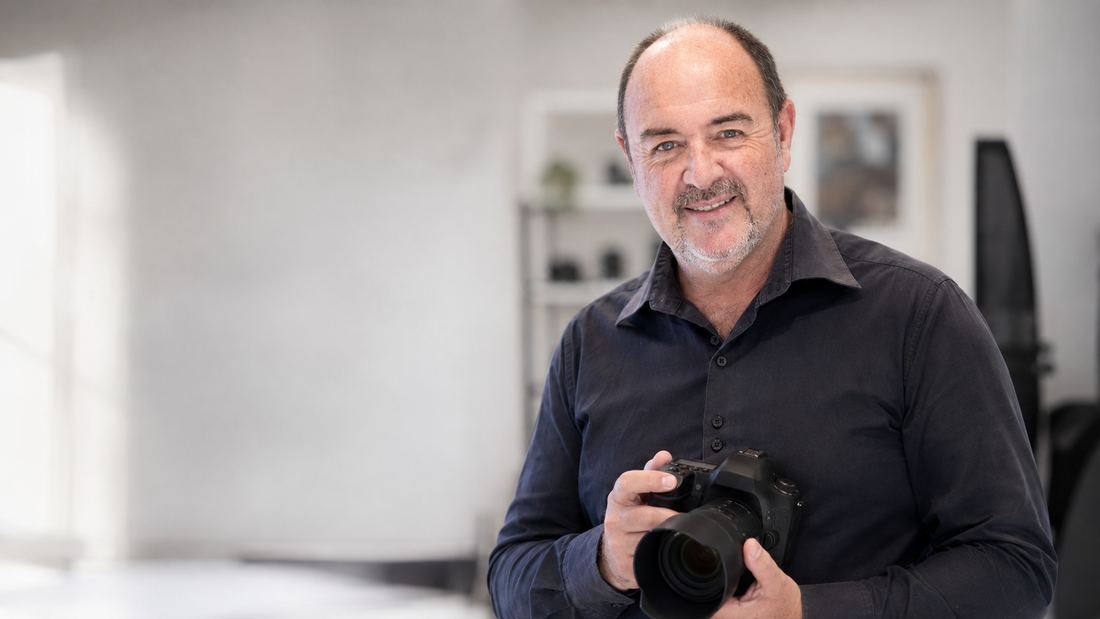
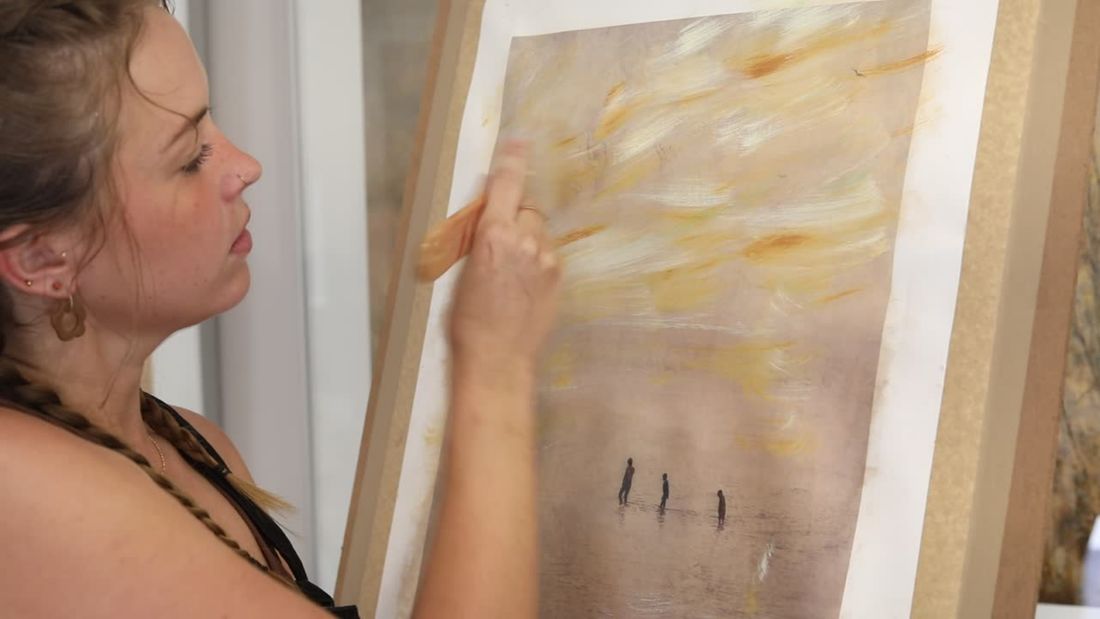
Thirty five years of teaching, twenty five as a fine art photographer, and a gallery of his own with his work on the walls. He teaches this course alongside his daughter Samantha, who came through his own courses and in a very short time has become an established artist in her own right.
Most of the abstraction on this course is Martin's own, worked out over years at his own bench, and he gives it away completely. As Tara Crossley put it, he does not mind telling you everything.
Watch Tara's full interviewReal people, real journeys, real artistic growth
She has since gone right up to Masterclass level. Watch her interview without leaving the page.
8 min
“He has given me a new way to appreciate art, and then a way to be a part of it as well.”
Leslie Hoyt
Fifteen years of portrait photography. A good eye, and no way in to art.
Student showcase
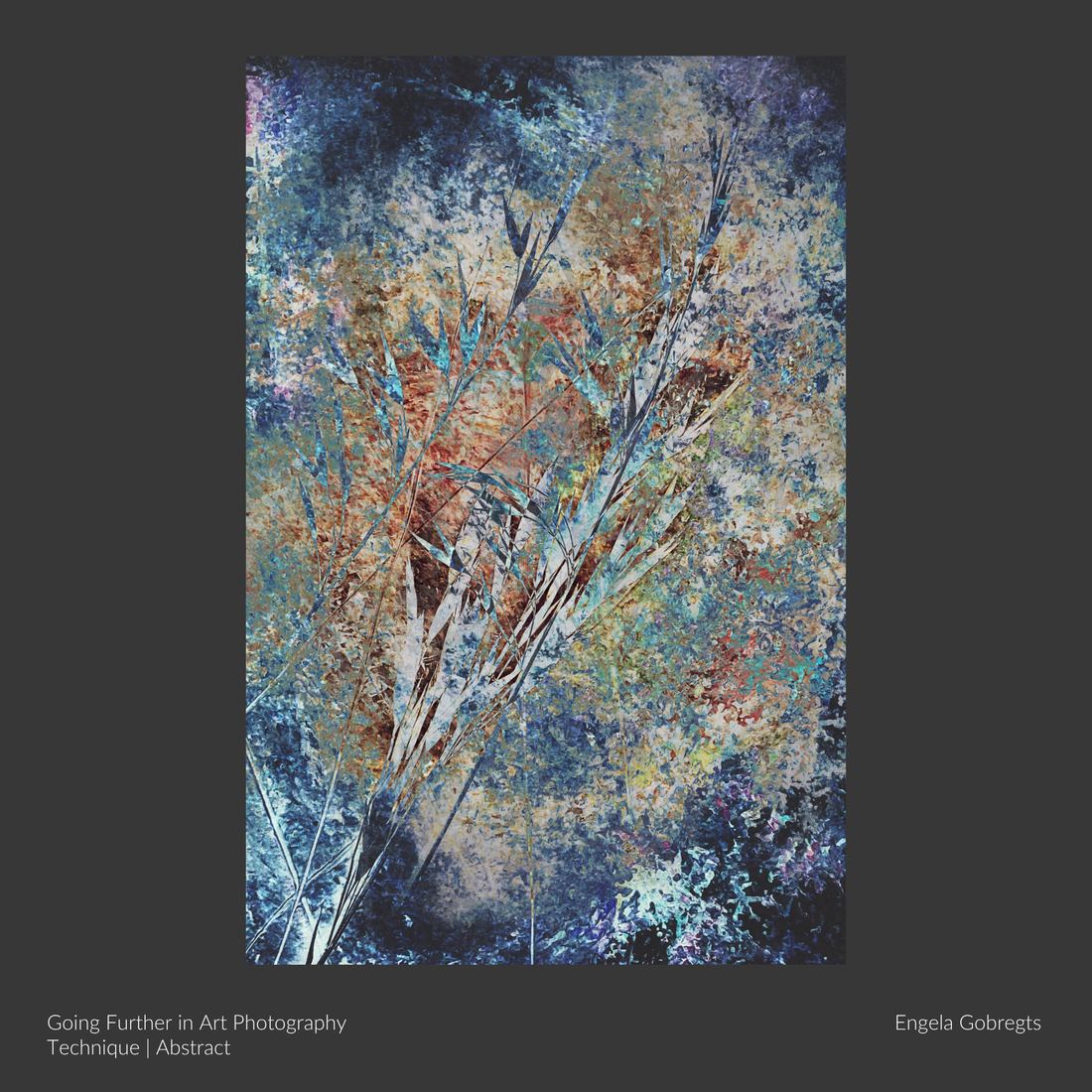
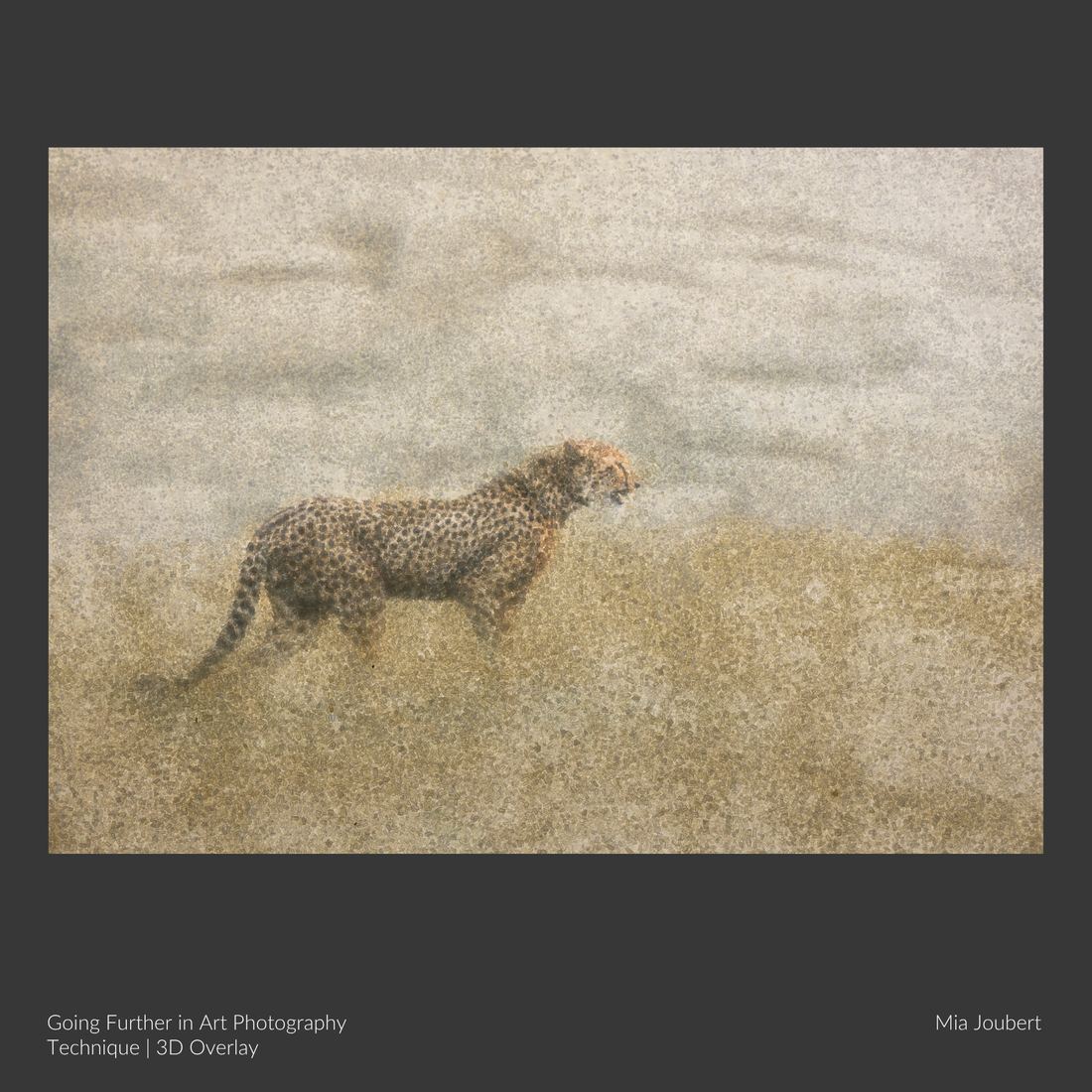
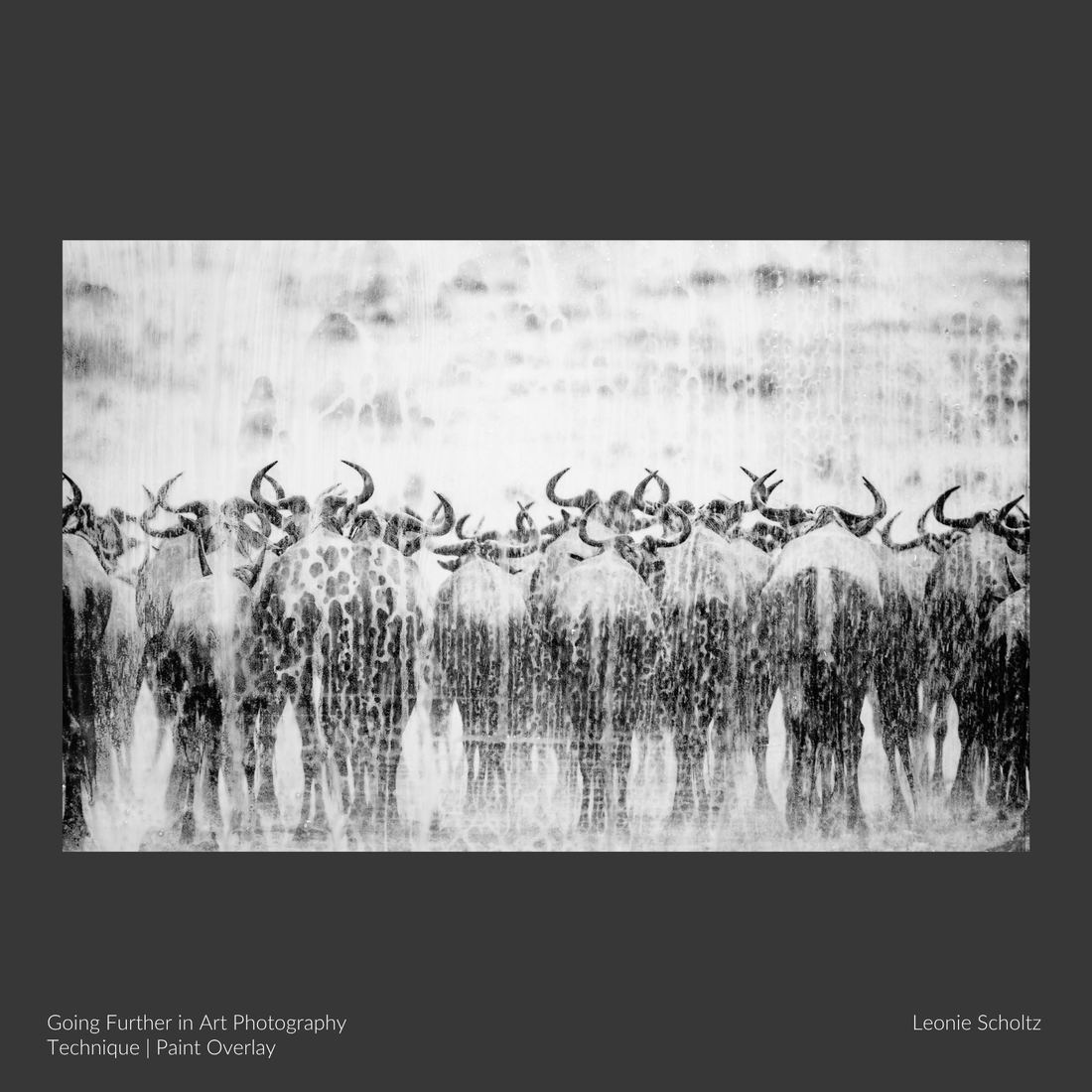
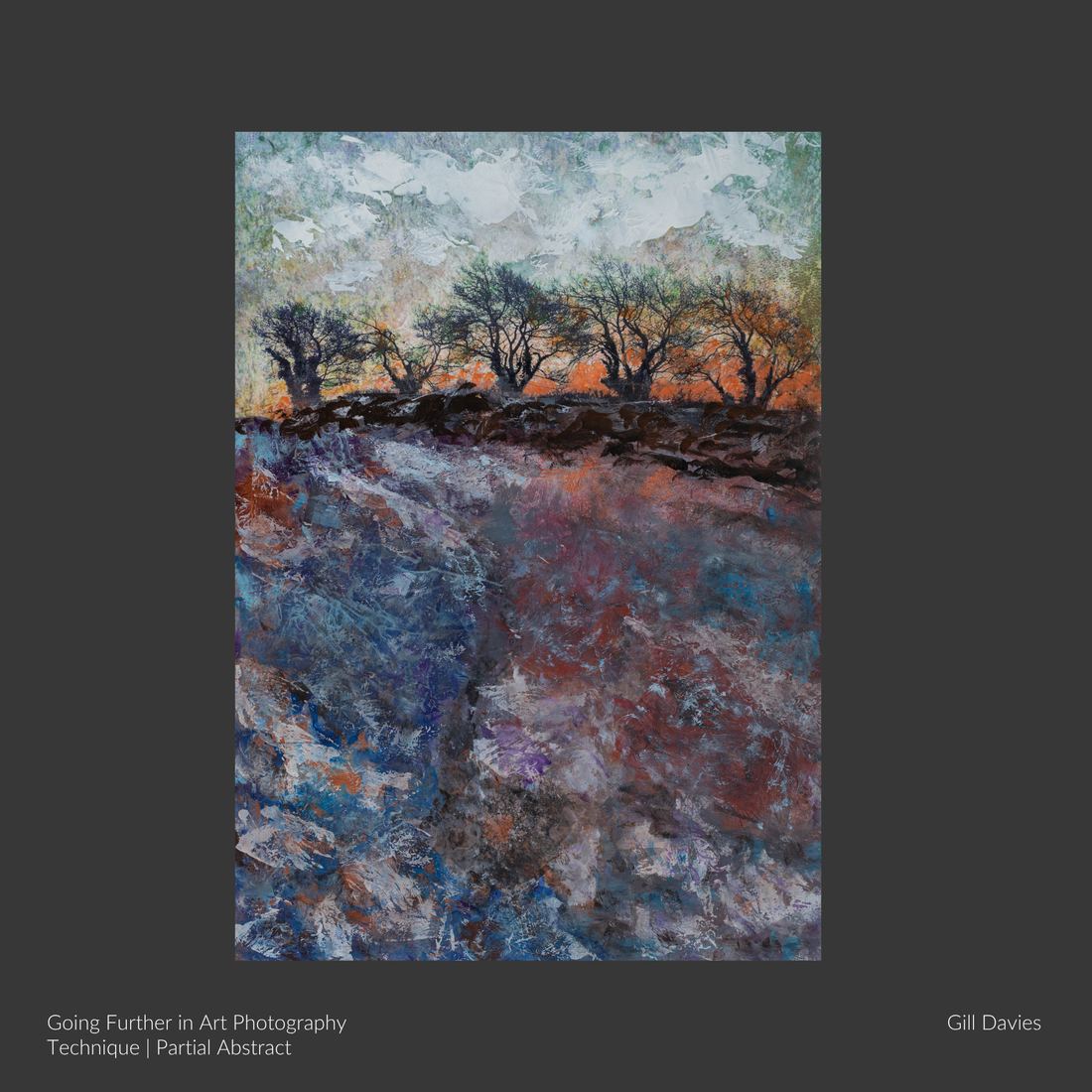
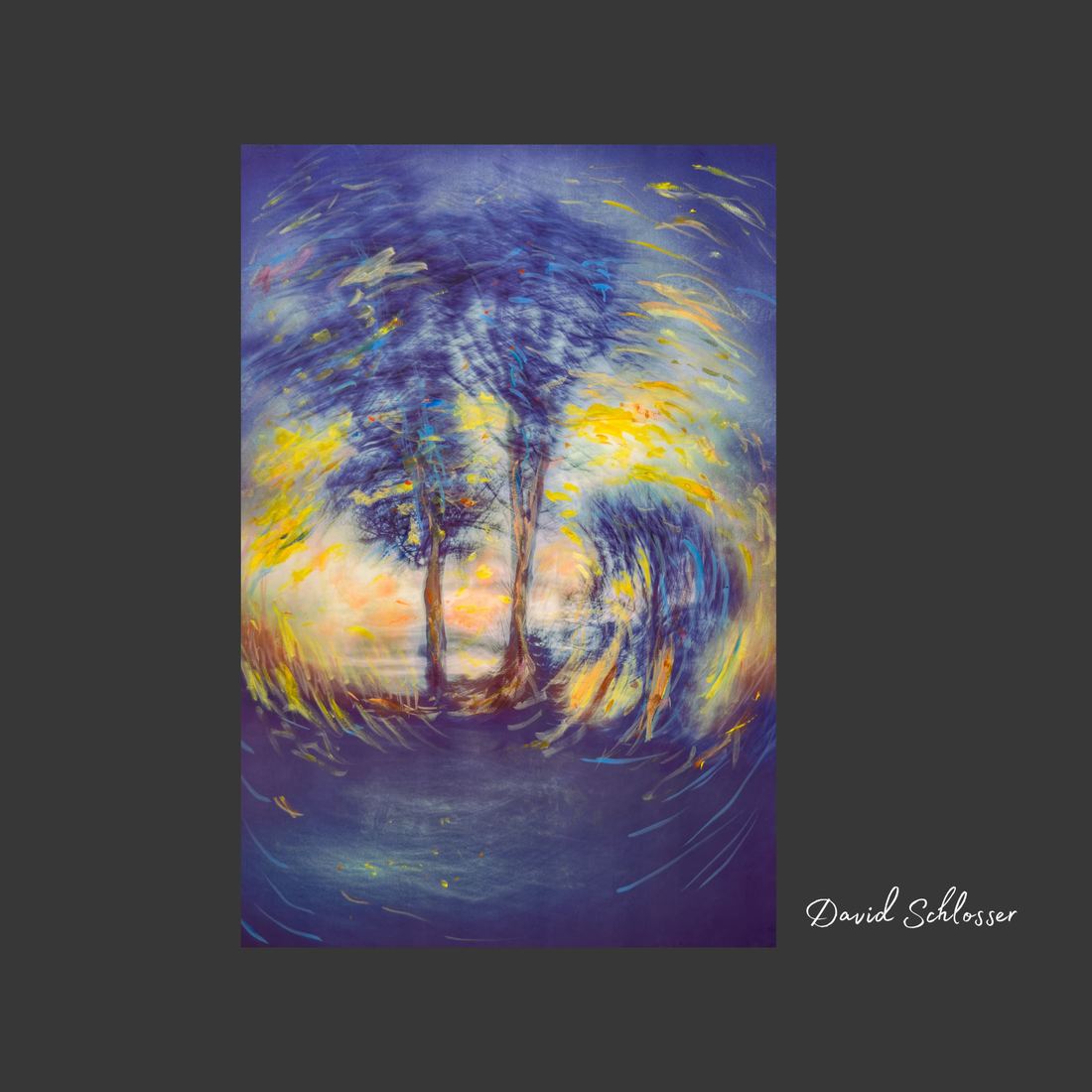
Six pieces from six different students, each one credited with the technique behind it. Click any of them to see it full size.
Ready when you are
$690
Eight weeks if you follow the programme · or at your own pace · your library for good
Have not done the first course yet?
Take both together and save $200. Getting Started in Art Photography and Going Further in Art Photography, eighteen techniques between them, $590 each instead of $690, so $1,180 for the pair.
Before you begin
Common questions
Yes, and we would rather say so plainly than take your money and watch you struggle. This course assumes the first set of techniques are already in your hands, along with the equipment and the working habits that come with them. Start there and come back, or take the two together as a bundle.
Next Level Fine Art Photography, being recorded now, and then Advanced Fine Art Photography, which is being released in 2027. That is where art photography turns into fine art photography, which is the difference between work that decorates a wall and work that moves the person standing in front of it.
Not remotely. A great many people take these two courses, find they have everything they wanted, and carry on making work for years without going further. The path is there for the people who feel the pull, not as an obligation.
The first course teaches you to make art from a photograph. This one is about abstraction, and about making work that does not look like a photograph at all. It is less about following a method and more about developing a way of seeing.
More than the first course, but still not as a prerequisite. Several techniques have a digital half and each one comes with its own tutorial.
Nothing expires. Every module stays in your library indefinitely and you work at whatever pace suits your life.
Mostly the same bench, with a few additions. Glass, foils, crystal medium, and for the pinhole lesson you make the lens yourself out of materials that cost almost nothing.
Not sure this is the right next step?
If you are thinking of taking both courses together and you are serious about it, make an appointment and talk it through with Martin first. And if you have already completed Going Further in Art Photography and you would like to discuss where to take your work next, you are very welcome to contact him.
Book a fifteen minute call
Get started today before this once in a lifetime opportunity expires.